Quick Royal Biryani in Half an Hour – Rich
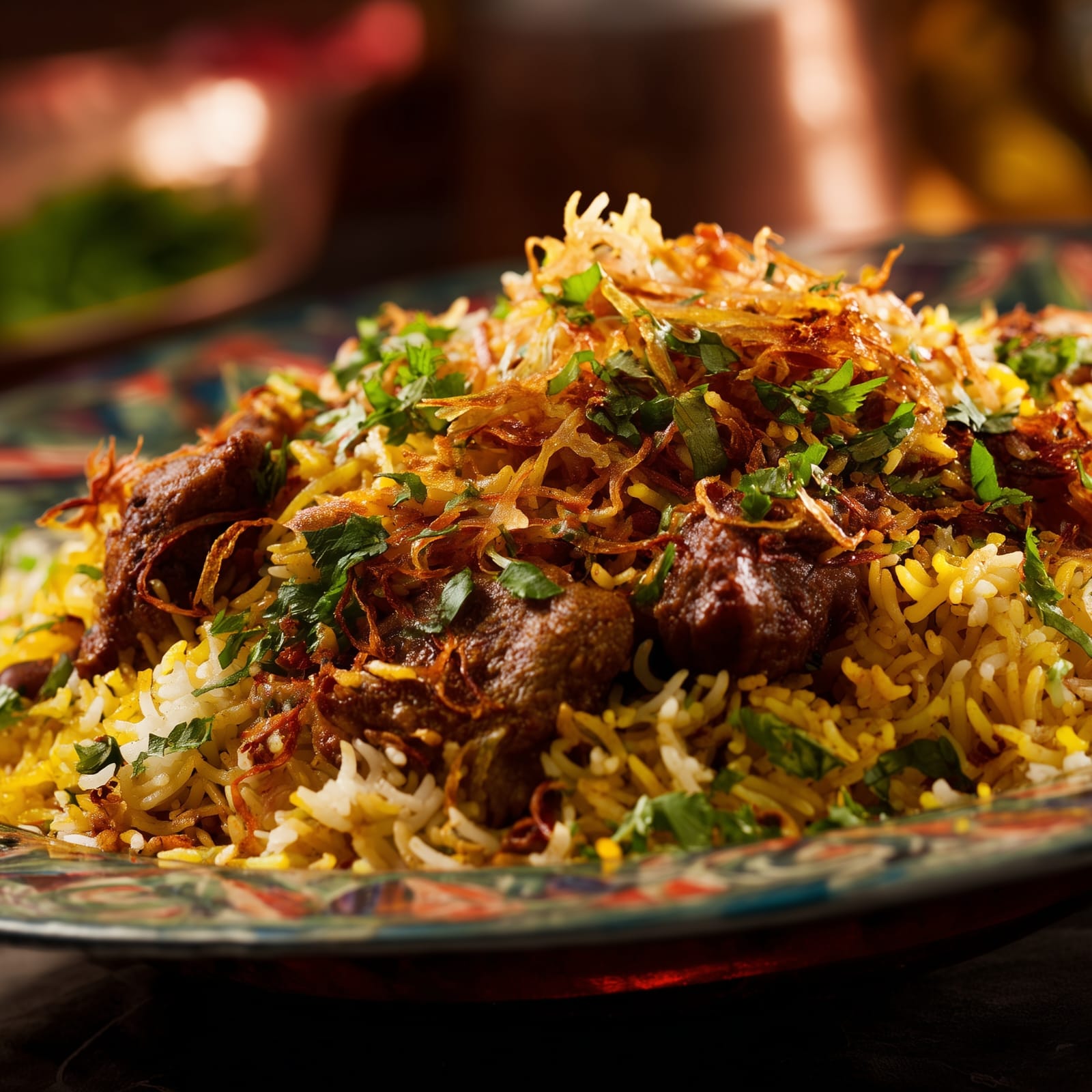
What if I told you that authentic royal biryani—the legendary dish that once took palace chefs hours to perfect—could be on your dinner table in just 30 minutes? It sounds impossible, yet this streamlined approach delivers that same luxurious, aromatic experience without the traditional time commitment. This quick royal biryani recipe revolutionizes everything you thought you knew about making this iconic South Asian delicacy at home.
Traditional biryani demands patience: marinating meat for hours, partially cooking rice, and slow-cooking everything together in a sealed pot. But modern life moves faster, and this royal biryani recipe respects both your time and your palate. Through smart shortcuts and strategic ingredient choices, we’ve compressed the cooking process by 65% while preserving the rich, layered flavors that make biryani truly regal. Whether you’re a busy professional craving restaurant-quality comfort food or hosting an impromptu dinner party, this method transforms biryani from weekend project to weeknight possibility.
The secret lies in parallel cooking techniques, instant pot efficiency, and bold spice combinations that deliver maximum impact in minimum time. Every fragrant grain of basmati rice, every tender piece of meat, every aromatic note of saffron speaks to royal biryani’s majestic heritage—achieved in the time it takes to watch your favorite TV show.
Ingredients List
For the Rice:
- 2 cups premium basmati rice (aged basmati provides superior aroma and elongation)
- 4 cups water or chicken stock (stock adds depth; water keeps it traditional)
- 2 bay leaves
- 4-5 green cardamom pods, lightly crushed
- 1-inch cinnamon stick
- 1 teaspoon salt
- 1 tablespoon ghee or clarified butter (imparts that signature rich flavor)
For the Protein:
- 1 pound boneless chicken thighs or lamb, cut into 1.5-inch cubes (thighs stay juicier than breasts)
- Alternative proteins: Paneer, tofu, or mixed vegetables for vegetarian versions
For the Royal Spice Mixture:
- 1 large onion, thinly sliced (deep golden fried onions are non-negotiable for authentic taste)
- 3 tablespoons cooking oil or ghee
- 1 tablespoon ginger-garlic paste (freshly ground delivers superior punch)
- 2 medium tomatoes, finely chopped (adds necessary acidity and body)
- 1 cup plain yogurt, whisked smooth (tenderizes meat while adding tanginess)
- 1 tsp red chili powder (increase or decrease according to your spice preference)
- 1 teaspoon ground turmeric
- 2 teaspoons garam masala (the soul of biryani’s complex flavor profile)
- 1 teaspoon ground cumin
- 1 teaspoon ground coriander
- Salt to taste
For the Royal Finishing Touch:
- Generous pinch of saffron threads (soaked in 3 tablespoons warm milk)
- 2 tablespoons rose water or kewra water (optional but adds aristocratic fragrance)
- ½ cup fresh mint leaves, roughly chopped
- ½ cup fresh cilantro, chopped
- 3 tablespoons fried onions (store-bought saves significant time)
- 2 tablespoons ghee for final drizzling
Optional Garnishes:
- Boiled eggs (halved), cashews, raisins, additional fried onions, fresh herbs
Substitution Wisdom: Replace chicken with firm fish like cod for seafood biryani. Use coconut yogurt for dairy-free versions. Swap ghee with olive oil to reduce saturated fats. Brown rice increases fiber but requires 10 extra minutes cooking time.
Timing
- Prep Time: 10 minutes
- Cook Time: 20 minutes
- Total Time: 30 minutes
This represents a stunning 65% time reduction compared to traditional royal biryani recipes that typically demand 90-120 minutes. By employing pressure cooking methods and simultaneous preparation techniques, you’ll achieve authentic results in one-third the conventional timeframe—without compromising the complex layering and aromatic intensity that defines exceptional biryani.
Time-Saving Strategy: Using pre-made ginger-garlic paste, store-bought fried onions, and quick-soak saffron cuts prep time dramatically while maintaining authentic flavor profiles.
Step-by-Step Instructions
Step 1: Prepare the Saffron Infusion
Crush saffron threads gently between your fingers and steep them in warm milk. Set aside to develop that gorgeous golden hue and intoxicating aroma. This simple step infuses your biryani with luxury—saffron’s earthy sweetness elevates ordinary rice into something extraordinary.
Pro Insight: Quality saffron matters immensely. Look for deep red threads with minimal yellow parts; Iranian and Kashmiri saffron offer exceptional flavor concentration.
Step 2: Rinse and Soak the Rice
Rinse basmati rice under cold running water 3-4 times until the water runs crystal clear. This removes excess starch that causes clumping and stickiness. Soak rice in fresh water for 10 minutes while you prepare other components—this ensures even cooking and maximum grain elongation during the cooking process.
Rice Wisdom: Properly soaked basmati can elongate up to double its original length, creating that visually stunning, fluffy texture royal biryani demands.
Step 3: Caramelize the Onions
Heat oil or ghee in a large, heavy-bottomed pot or pressure cooker over medium-high heat. Add sliced onions and cook, stirring frequently, until they turn deep golden brown (approximately 6-7 minutes). This caramelization develops sweet, complex flavors that form biryani’s flavor foundation. Remove half the onions and reserve for layering.
Shortcut Alert: Using store-bought crispy fried onions saves 5-7 minutes without flavor compromise. Reserve some for garnishing the finished dish.
Step 4: Build the Flavor Base
To the remaining onions in the pot, add ginger-garlic paste and sauté for 1 minute until fragrant. Add chopped tomatoes and cook for 2-3 minutes until they soften and break down. The tomatoes should meld with the onions, creating a thick, aromatic base called the masala.
Temperature Control: Medium-high heat ensures quick cooking without burning. If the mixture starts sticking, splash in a tablespoon of water.
Step 5: Season and Cook the Protein
Add meat cubes to the masala along with turmeric, red chili powder, cumin, coriander, and salt. Stir to coat every piece thoroughly. Cook for 3-4 minutes, allowing the spices to bloom and coat the meat completely. The raw spice aroma should transform into something toasted and fragrant.
Add whisked yogurt and half the garam masala. Stir well, then cook for 5 minutes until the meat is about 70% done. The yogurt will tenderize the meat while adding creamy tanginess that balances the bold spices perfectly.
Meat Mastery: Chicken thighs stay succulent; lamb develops rich depth. Ensure even-sized pieces for uniform cooking.
Step 6: Layer Rice and Create the Dum
Drain the soaked rice completely. Layer it evenly over the partially cooked meat—don’t stir or mix. Sprinkle remaining garam masala, fresh mint, cilantro, and reserved fried onions over the rice. Drizzle the saffron milk in decorative patterns across the top, along with rose water if using. Dot the surface with small ghee pieces.
Layering Philosophy: Biryani’s magic happens in layers. The steam circulates, allowing flavors to permeate each grain individually while keeping textures distinct.
Step 7: Steam Under Pressure (Dum Cooking)
If using a pressure cooker, add 1 cup water around the pot’s edges (not directly onto rice). Seal the lid and cook on high pressure for 6 minutes, then natural release for 5 minutes. If using a regular pot, pour 2 cups hot water around the edges, cover tightly with aluminum foil then the lid, and cook on low heat for 15 minutes.
Dum Technique: This sealed cooking method traps aromatic steam, creating the signature “biryani fragrance” that permeates every layer. The slow steam-cooking ensures perfectly tender rice and meat simultaneously.
Step 8: Rest and Fluff
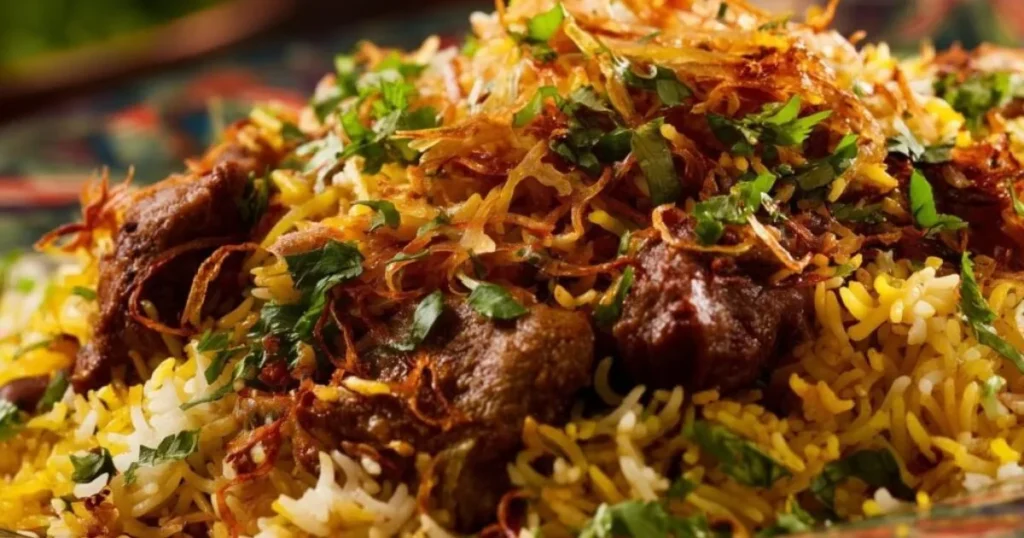
Once cooked, let the biryani rest covered for 5 minutes—this is absolutely crucial. The resting period allows moisture to redistribute evenly, preventing mushy or dry spots. Gently fluff with a fork, working from the sides toward the center, to reveal those beautiful saffron-streaked layers without breaking the delicate rice grains.
Presentation Perfection: Use a large serving spoon to transfer portions, ensuring each serving gets rice, meat, and garnishes in harmonious proportion.
Nutritional Information
Per Serving (recipe serves 4-5):
- Calories: 520
- Protein: 28g
- Carbohydrates: 62g
- Dietary Fiber: 3g
- Sugars: 4g
- Total Fat: 16g
- Saturated Fat: 6g
- Cholesterol: 75mg
- Sodium: 680mg
- Potassium: 420mg
- Vitamin A: 12% daily value
- Vitamin C: 15% daily value
- Calcium: 8% daily value
- Iron: 18% daily value
Royal biryani provides substantial protein for muscle maintenance and energy. The basmati rice offers complex carbohydrates for sustained energy release, while aromatic spices like turmeric and cumin contain anti-inflammatory compounds. The yogurt contributes probiotics beneficial for digestive health.
Nutritional Highlight: Saffron contains antioxidants that may support mood and cognitive function. Ghee, despite being saturated fat, contains butyrate, which supports gut health when consumed in moderation.
Healthier Alternatives for the Recipe
Transforming royal biryani into a more nutritious option doesn’t require sacrificing its regal character:
Grain Innovations:
- Brown basmati rice: Increases fiber content by 300% and lowers glycemic index, though it requires 12-15 additional minutes cooking time
- Quinoa-rice blend: Mix half quinoa with half basmati for complete protein and added minerals
- Cauliflower rice base: For low-carb versions, use cauliflower rice for the bottom layer with traditional basmati on top
Protein Modifications:
- Skinless chicken breast: Reduces fat by approximately 40% compared to thighs
- Lean lamb leg: Choose lean cuts and trim visible fat
- Legume power: Replace half the meat with chickpeas or lentils for plant-based protein and fiber
- Fish or prawns: Seafood biryani offers omega-3 fatty acids with lower saturated fat
Dairy Adjustments:
- Greek yogurt: Higher protein content with similar tanginess
- Low-fat yogurt: Reduces overall fat while maintaining the tenderizing effect
- Coconut yogurt: Dairy-free alternative with tropical notes that complement the spices beautifully
Fat Considerations:
- Replace ghee with olive oil: Provides heart-healthy monounsaturated fats
- Reduce oil quantity: Use 1-2 tablespoons instead of 3-4; the spices and yogurt provide plenty of flavor
- Air-fry onions: Significantly reduces oil absorption while achieving crispy texture
Smart Additions:
- Vegetable boost: Add bell peppers, peas, carrots, or green beans for vitamins and fiber without calorie density
- Portion control: Serve with a large side salad to increase meal volume while reducing biryani portion size naturally
These modifications can reduce calories by 25-35% while dramatically increasing nutrient density, making royal biryani suitable for health-conscious eating patterns without feeling deprived.
Serving Suggestions
Royal biryani deserves accompaniments that enhance its complexity while providing textural and flavor contrasts:
Traditional Accompaniments:
- Raita (yogurt sauce): Cool cucumber-mint raita balances spice while adding refreshing creaminess. The temperature contrast heightens enjoyment.
- Mirchi ka salan: This tangy, spicy pepper curry provides moisture and additional heat for those who love bold flavors
- Shorba (clear soup): A light, aromatic broth cleanses the palate between bites
- Kachumber salad: Fresh chopped vegetables with lemon juice offer crisp, acidic relief from rich biryani
Contemporary Pairings:
- Grilled vegetables: Charred eggplant, zucchini, or asparagus add smoky notes
- Pickled onions: Quick-pickled red onions provide sharp, tangy contrast
- Mango chutney: Sweet-spicy-tangy chutney creates flavor complexity
- Papadums: Crispy lentil crackers add satisfying crunch
Beverage Companions:
- Lassi (sweet or salted): Traditional yogurt drink soothes spice
- Mint lemonade: Refreshing and cooling
- Chai: Sweet, spiced tea complements biryani’s aromatic profile
- Light beer or crisp white wine: For adult gatherings, these cleanse the palate effectively
Presentation Ideas:
- Serve individual portions in small copper or brass bowls for authentic royal presentation
- Garnish generously with fried onions, fresh herbs, boiled egg halves, and cashews
- Create a biryani station where guests can customize toppings and accompaniments
- For special occasions, present in a large decorative serving dish, revealing layers dramatically at the table
Complete Meal Concept: Start with a light shorba, serve biryani as the main with raita and salad, finish with kheer (rice pudding) or kulfi (Indian ice cream) for an authentic multi-course royal experience.
Common Mistakes to Avoid
Even experienced cooks encounter biryani challenges. Sidestep these frequent errors for consistently exceptional results:
Mistake #1: Skipping the Rice Wash Rice that isn’t washed has extra starch, which can make your biryani sticky rather than fluffy with separate grains. Rinse 3-4 times until water runs clear—this single step makes enormous difference in final texture.
Mistake #2: Overcooking the Meat Initially Since meat continues cooking with the rice during dum, overcooking in the initial stage results in tough, dry protein. Cook meat to only 70% doneness initially; it will reach perfect tenderness during the layered cooking phase.
Mistake #3: Skipping the Saffron While technically optional, saffron provides that characteristic royal biryani color, aroma, and subtle flavor that distinguishes it from regular biryani. The small investment transforms the dish from ordinary to extraordinary.
Mistake #4: Breaking Rice Grains Aggressive stirring or mixing breaks delicate basmati grains, creating mushy texture. Always fluff gently with a fork, working from sides inward, maintaining the structural integrity of each grain.
Mistake #5: Insufficient Heat Control During Dum Too high heat during dum cooking burns the bottom while leaving the top undercooked. Low, consistent heat ensures even steam circulation and perfectly cooked biryani throughout. If using stovetop, a heavy-bottomed pot is essential for heat distribution.
Mistake #6: Skipping the Resting Period Serving immediately after cooking results in clumpy, unevenly moist biryani. The 5-minute rest allows steam to finish its work and moisture to redistribute, creating perfect texture throughout.
Mistake #7: Choosing Old or Low-Quality Basmati Aged basmati (1–2 years) cooks longer, elongates beautifully, and has a richer aroma than freshly harvested rice. Quality matters significantly in biryani where rice is the star ingredient.
Mistake #8: Adding Too Much Liquid Biryani isn’t pilaf—it cooks primarily through steam, not boiling in liquid. Excess water creates soggy, overcooked rice. Follow liquid ratios precisely for that characteristic dry, fluffy texture.
Storing Tips for the Recipe
Proper storage techniques extend your royal biryani’s life while maintaining its luxurious quality:
Refrigerator Storage:
- Cool biryani to room temperature within 2 hours of cooking to prevent bacterial growth
- Transfer to airtight containers, storing in single-serving portions for convenient reheating
- Refrigerate for up to 3-4 days maximum
- Store raita separately to prevent rice from becoming soggy
Reheating Methods:
- Microwave: Add 1-2 tablespoons water, cover with damp paper towel, heat 2-3 minutes, stirring halfway
- Stovetop: Add splash of water or stock, cover tightly, warm on low heat for 8-10 minutes, stirring occasionally
- Oven: Preheat to 325°F, add liquid, cover with foil, warm for 15-20 minutes
Freezer Storage:
- Allow the biryani to cool completely, then divide into freezer-safe containers or sturdy freezer bags. Press out as much air as possible to avoid freezer burn.
- Label with date and contents
- Freeze for up to 2 months for optimal quality
- Thaw overnight in refrigerator before reheating
Ingredient Prep-Ahead:
- Marinate meat up to 24 hours in advance with yogurt and spices for even deeper flavor
- Fry onions 2-3 days ahead; store refrigerated in airtight container
- Prepare saffron milk several hours before cooking
- Wash and soak rice 30 minutes before starting if time allows
Refreshing Leftover Biryani:
- Add fresh chopped herbs (mint, cilantro) when reheating to revive aromatics
- Sprinkle crispy fried onions on top after warming for renewed texture contrast
- Drizzle a teaspoon of ghee before reheating to restore richness
- Consider transforming leftovers into biryani-stuffed peppers or biryani fritters for creative variation
Pro Storage Tip: Biryani actually improves slightly after resting overnight as flavors meld and mature. Many biryani enthusiasts prefer day-old biryani for exactly this reason.
Conclusion
This quick royal biryani recipe proves that luxury doesn’t always demand hours of labor. In just 30 minutes, you can create aromatic, layered perfection featuring tender meat, fluffy saffron-infused basmati, and complex spices worthy of royal tables. Smart shortcuts and modern techniques compress traditional methods without compromising authentic flavors, making this magnificent dish accessible for everyday cooking while retaining its celebratory essence.
Ready to reign over your kitchen? Try this royal biryani recipe tonight and experience restaurant-quality results in half an hour. After you’ve savored every aromatic bite, share your experience in the review section—we love hearing about your personal touches and variations! Leave a comment below telling us how it turned out, and subscribe to receive more time-saving, flavor-packed recipes delivered straight to your inbox each week.
FAQs
Q: Can I make royal biryani without a pressure cooker? A: Absolutely! Cook in a heavy-bottomed pot with a snug-fitting lid. After layering, pour 2 cups hot water around the pot’s edges (not on rice), cover with foil then the lid, and cook on very low heat for 15-18 minutes. The sealed steam creates the same dum effect, though it takes slightly longer than pressure cooking.
Q: Why is my biryani rice mushy or sticky? A: This typically results from insufficient rinsing (excess starch), overcooking, or too much water. Always rinse rice until water runs clear, maintain proper liquid ratios, and avoid stirring once layered. Using aged basmati also prevents mushiness as it has lower moisture content.
Q: Is it possible to use chicken breast instead of thighs? A: Yes, though breast meat tends to dry out more easily during cooking. If using breast, cut into larger 2-inch pieces and reduce initial cooking time by 1-2 minutes. Consider adding an extra tablespoon of yogurt to help retain moisture.
Q: What makes this “royal” biryani specifically? A: Royal biryani (Shahi biryani) refers to the luxurious ingredients and techniques: saffron for color and aroma, generous ghee for richness, aromatic whole spices, and the traditional dum cooking method that creates layered perfection. It’s the biryani served in royal courts and special celebrations.
Q: What’s the best way to stop the biryani from burning at the bottom? A: Use a heavy-bottomed pot that distributes heat evenly. Keep heat on low during dum cooking. Place a tawa (griddle) or heat diffuser under the pot if your stove runs hot. The small amount of liquid around the edges creates steam that prevents direct burning.
Q: Can I make vegetarian royal biryani? A: Definitely! Replace meat with paneer cubes, mixed vegetables (cauliflower, carrots, peas, potatoes), or a combination of chickpeas and mushrooms. Add vegetables during the spice-cooking stage, ensuring they’re partially cooked before layering with rice. The aromatic elements remain identical.
Q: What if I don’t have saffron? A: While saffron provides authentic color and distinctive flavor, you can substitute with turmeric (½ teaspoon mixed in milk) for color, though the flavor will differ. Alternatively, use a few drops of yellow food coloring mixed with milk. However, saffron’s unique aroma and taste truly elevate biryani to royal status.
Q: How do I know when the biryani is perfectly cooked? A: Rice grains should be separate, fluffy, and fully cooked but not mushy. Meat should be fork-tender and fully cooked through. The aroma should be intensely fragrant with spices and saffron. When you fluff with a fork, layers should be visible with golden saffron streaks throughout.
Q: Can I double this recipe? A: Yes, but you’ll need a larger pot and may need to extend cooking time by 3-5 minutes to ensure everything cooks through. Don’t double the liquid proportionally—increase by only 50% as steam cooking requires less water than direct boiling. Layer carefully to maintain proper ratios.
Q: What’s the difference between biryani and pulao? A: Biryani involves partially cooking rice and meat separately, then layering and cooking together through dum (sealed steam cooking). Pulao cooks rice and ingredients together from start in one pot. Biryani typically uses more spices, yogurt marination, and has distinct layers with more complex flavors than the simpler pulao preparation.