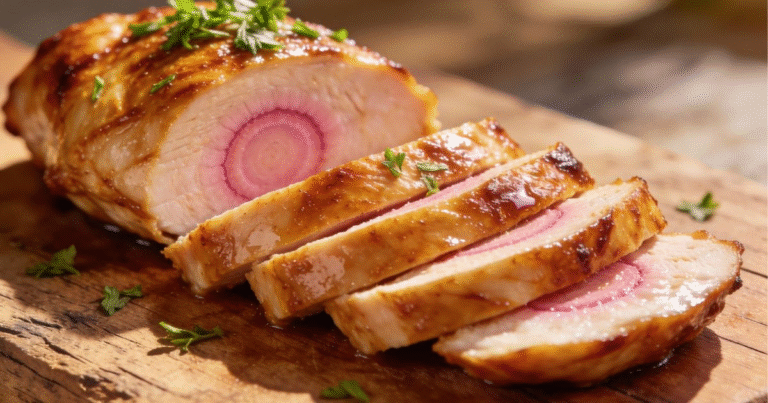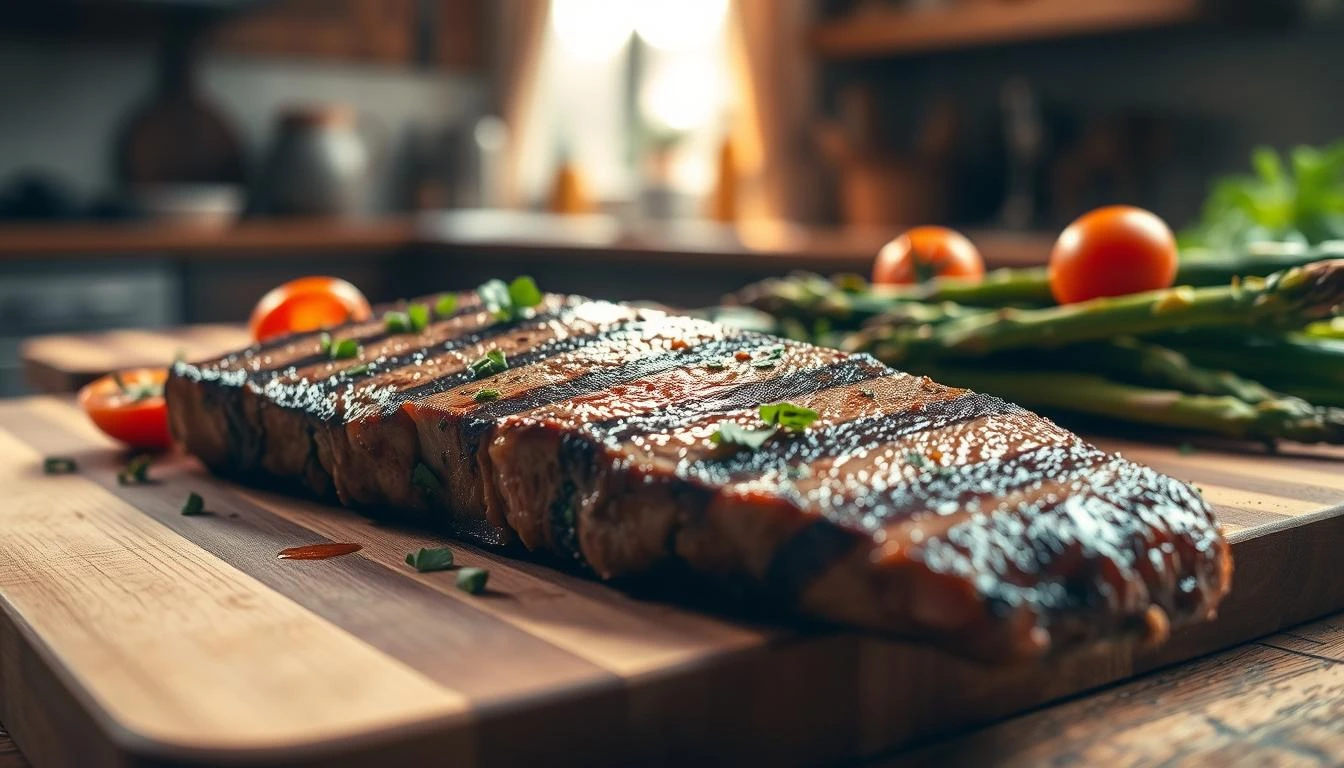
Perfect Flat Iron Steak Recipe – Ready in 20 Minutes
- crucial Takeaways
- Origin and Cut position
- Nutritional Profile and Benefits
- Why Chefs Love This Cut
- What to Look for When Buying
- USDA Grades and Marbling
- Fresh vs. progressed Steak
- Pans and Grilling Equipment
- Temperature Measurement Tools
- Trimming and Preparation
- Bringing to Room Temperature
- Dry Brining Technique
- Basic Seasoning Combinations
- Marinade Recipes for Enhanced Flavor
- Dry Rubs for Flat Iron Steak
- Preparing Your Pan
- Step-by-Step Cooking Process
- Butter-Basting Technique
- Preparation for Grilling
- Direct vs. Indirect Heat Methods
- Timing and Temperature Control
- Charcoal vs. Gas Grilling Differences
- When to Choose Oven Cooking
- Reverse Sear Method
- embroiling Technique
- Temperature Errors to Avoid
- Cutting and Serving Mistakes
- Seasoning Pitfalls
- Temperature Guide for Different Levels of Doneness
- The Science Behind Resting Your Steak
- What is the best way to cook a flat iron steak?
- How do I achieve a tender flat iron steak?
- What is the ideal internal temperature for a cooked flat iron steak?
- Can I cook a flat iron steak in the oven?
- How long should I let my flat iron steak rest?
- What are some common mistakes to avoid when cooking flat iron steak?
- Can I marinate a flat iron steak?
- What is the best seasoning for flat iron steak?
Cuisine the perfect flat iron recipe can make any mess special. This meat is tender and full of flavor, loved by steak suckers. To get it just right, picking the right cut and cuisine system is key.
Learn how to make a delicious flat iron steak that will wow your loved bones. The secret is knowing what makes this cut great and using the stylish cuisine styles.
crucial Takeaways
- Understanding the characteristics of a flat iron steak
- opting the right cut for optimal tenderheartedness and flavor
- learning a cuisine system that enhances the steak’snatural rates
- Tips for achieving a perfectly cooked steak every time
- Enhancing your dining experience with the perfect incidents
Understanding the Flat Iron Steak
Exploring the flat iron steak means looking into its origins, nutritional value, and why cookers adore it. This beef cut has become very popular lately.
Origin and Cut position
The flat iron steak comes from the cow’s shoulder, from the top blade muscle. It’s famous for its marbling, which makes it tender and full of flavor. This cut is both tender and packed with flavor, making it a name choice.
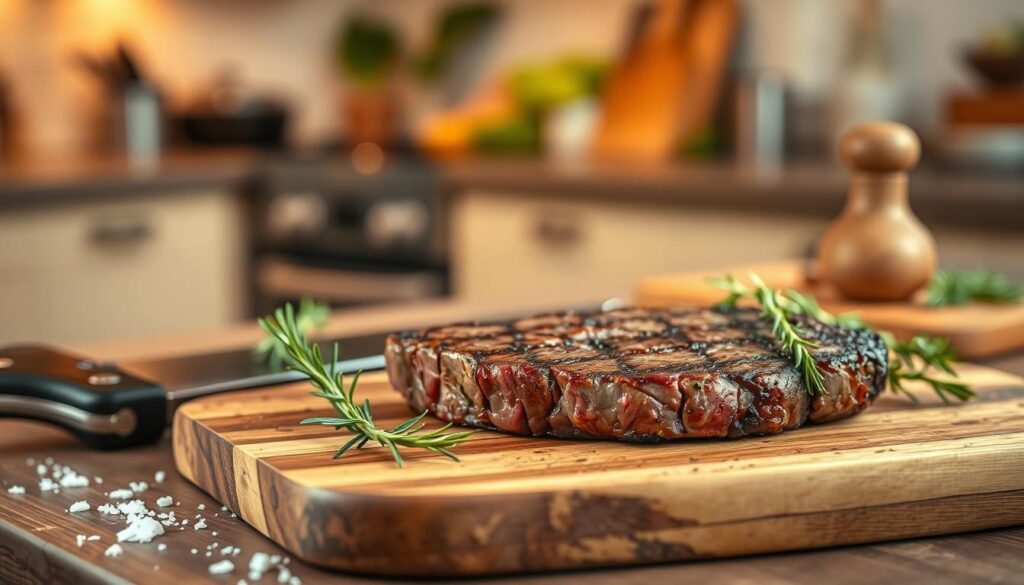
Nutritional Profile and Benefits
Flat iron steak is not just tasty but also a high-protein dinner option. It’s full of iron, zinc, and vitamin B12, making it a healthy beef dinner idea. It helps with muscle health and gives you energy.
Why Chefs Love This Cut
Chefs adore the flat iron steak for its tender texture and rich taste. The marbling keeps it juicy and flavorful, even when cooked hot. This makes it perfect for many cooking methods.
opting the Perfect Flat Iron Steak
Chancing the right flat iron steak is key to a great meal. At the butcher or grocery store, there are important things to look for. This ensures you get a top-quality steak.
What to Look for When Buying
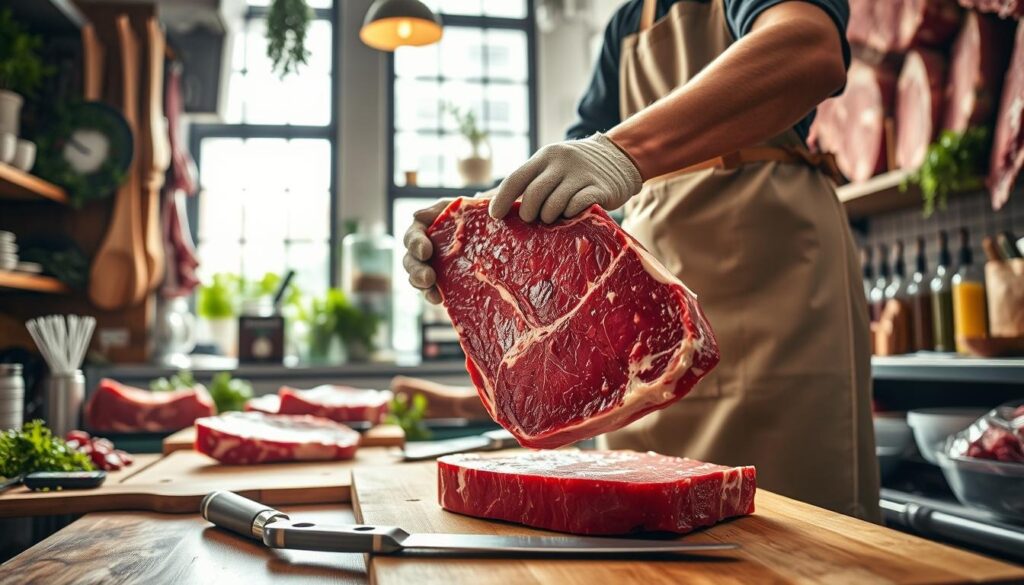
Look for a cut with good marbling and a bright red color. This makes the steak tender and flavorful. Stay away from steaks that look old or have brown or grayish colors.
Check the thickness too. A 1 to 1.5 inch thickness is best for cooking. Make sure the packaging is intact to keep the steak fresh.
USDA Grades and Marbling
The USDA grade matters a lot. The USDA grades steaks grounded on marbling, maturity, and more. Prime steaks have lots of marbling, making them tender and tasty. Choice steaks are a good middle ground, offering quality without the high price.
| USDA Grade | Description | Marbling Level |
| Prime | Highest quality, tender, and flavorful | Abundant |
| Choice | High quality, less marbling than Prime | Moderate |
| Select | Leaner, less tender than Choice | Small |
Fresh vs. progressed Steak
You might find dry-aged steaks too. Dry-aging makes the steak more flavorful and tender. Dry-aged steaks are pricier but offer a special taste. Fresh steaks are more common and can be just as good if cooked right.
Essential Tools for Cooking Flat Iron Steak
To cook the perfect flat iron steak, you need the right tools. The correct equipment can greatly ameliorate your steak’s quality.
Pans and Grilling Equipment
The right pan or grill can make your flat iron steak cooking better. Cast iron skillets and grill accessories are key.
Cast Iron Skillets
Cast iron skillets are great for cooking flat iron steaks. They keep heat well and cook evenly. This gives your steak a perfect seared crust.
Grill Accessories
Grill lovers need the right accessories. You’ll need a grill brush, tongs, and a grill mat. These tools help with cleaning, flipping, and precluding sticking.
Temperature Measurement Tools
Getting the steak’s temperature right is key. You can use meat thermometers or the touch test method.
Meat Thermometers
Meat thermometers give you a precise temperature reading. This ensures your steak is cooked safely and to your liking.
Touch Test Method
The touch test method checks the steak’s firmness. It’s a skill to master but can tell you the steak’s doneness without a thermometer.
| Tool | Description | profit |
| Cast Iron Skillet | Retains high heat and distributes it evenly | Perfectly seared crust on the steak |
| Meat Thermometer | Measures internal temperature of the steak | Ensures safe internal temperature and asked doneness |
| Grill Accessories | Includes grill brushes, tongs, and grill mats | Enhances grilling experience and prevents sticking |
Preparing Your Flat Iron Steak
Before cooking your flat iron steak, it’s important to prepare it right. This brings out its full flavor and tenderness. A few key steps can greatly improve your meal.
Trimming and Preparation
First, check your steak for extra fat or silver skin. Trimming excess fat stops flare-ups during cooking. Removing silver skin makes the steak softer. Use a sharp knife to cut off these unwanted parts.
- Inspect the steak for excess fat or silver skin.
- Use a sharp knife to trim unwanted parts.
Bringing to Room Temperature
Letting your steak come to room temperature before cooking helps it cook evenly. Take the steak out of the fridge and let it sit for 30-45 minutes. This simple step greatly improves your steak’s quality.
Tip: Pat the steak dry with paper towels after it reaches room temperature to enhance browning.
Dry Brining Technique
Dry brining means rubbing the steak with salt and letting it sit in the fridge before cooking. It boosts the steak’s flavor and tenderness. Rub both sides of the steak with kosher salt and let it sit uncovered in the fridge for a few hours or overnight.
By following these steps, you can make sure your flat iron steak is cooked perfectly and full of flavor. These techniques work for both experienced chefs and beginners, helping you get a tender and tasty steak.
Seasoning and Marinade Options
Take your flat iron steak to the next level with the right seasoning and marinade. The perfect mix of spices and marinade can turn a good steak into an amazing one.
Basic Seasoning Combinations
Begin with simple seasoning mixes that boost the steak’s natural taste. A classic blend is salt, pepper, and garlic powder. For a smoky twist, add a bit of paprika. Or, try dried herbs like thyme or rosemary for a fragrant flavor.
Marinade Recipes for Enhanced Flavor
Marinades can make your flat iron steak even more flavorful. Here are a couple of recipes to try:
Classic Garlic and Herb Marinade
Make a marinade with minced garlic, chopped herbs (like parsley, rosemary, or thyme), olive oil, and lemon juice. Let your steak marinate for at least 2 hours or overnight for the best flavor.
Asian-Inspired Soy Marinade
For a sweet and savory taste, mix soy sauce, honey, grated ginger, and rice vinegar. This marinade works well with a shorter time, about 30 minutes to 1 hour.
Dry Rubs for Flat Iron Steak
Dry rubs are a great way to add flavor. A blend of brown sugar, smoked paprika, chili powder, and cumin can create a tasty crust. Rub it all over the steak and let it sit for about 30 minutes before cooking.
Try out different seasoning and marinade options to find your favorite way to cook flat iron steak. Whether you like a simple seasoning or a complex marinade, the goal is to enhance the steak’s natural taste.
Pan-Seared Flat Iron Steak Method
Learning to pan-sear a flat iron steak is a skill worth getting. It makes the steak juicy and adds a tasty crust. You’ll need to get your pan ready, cook step by step, and finish with butter.
Preparing Your Pan
Choose a good pan for pan-searing. Cast-iron or stainless steel pans work best because they keep heat well. Heat your pan over high heat until it’s almost smoking.
Add a bit of oil with a high smoke point, like avocado oil, to the pan. Let it heat for a minute before adding your steak.
Step-by-Step Cooking Process
Season your flat iron steak with your favorite spices. Put the steak in the hot pan, away from you to avoid splashing oil. Sear it for 3-4 minutes on the first side, depending on its thickness.
Flip it over and cook for another 3-4 minutes. Use a thermometer to check if it’s cooked to your liking. For medium-rare, it should be around 130°F to 135°F.
Butter-Basting Technique
In the last minute of cooking, add a tablespoon of butter to the pan. As the butter melts, tilt the pan and spoon it over the steak. This butter-basting technique adds flavor and keeps the steak juicy.
Once it’s cooked to your liking, take the steak out of the pan. Let it rest before you serve it.
Grilling the Perfect Flat Iron Steak
To grill a flat iron steak perfectly, you need to know a few tricks. Grilling adds a smoky taste and a nice char to the steak. It also keeps the inside tender.
Preparation for Grilling
Before grilling, let your flat iron steak come to room temperature. This ensures even cooking. Pat the steak dry with paper towels to get rid of extra moisture. This is key for a good sear. Season the steak with your favorite flavors or marinades.
Direct vs. Indirect Heat Methods
Grilling can use direct or indirect heat. Direct heat means placing the steak right over the flames for a sear. Indirect heat cooks the steak away from the flames, perfect for even cooking without burning. For flat iron steak, start with direct heat for a sear, then finish with indirect heat.
Timing and Temperature Control
Timing and temperature are key when grilling a flat iron steak. For medium-rare, grill for 4-5 minutes per side over direct heat. Use a thermometer to check for an internal temperature of 130°F – 135°F. Adjust the time for your desired doneness.
Charcoal vs. Gas Grilling Differences
Both charcoal and gas grills can make great steaks. Charcoal grills give a smoky flavor, while gas grills offer temperature control. Make sure your grill is preheated before adding the steak.
Mastering these techniques will help you grill a delicious and tender flat iron steak. Whether you’re experienced or new, success comes from preparation, temperature control, and practice.
Oven-Baked Flat Iron Steak
Oven-baking flat iron steak is a great way to cook a delicious steak. It ensures even cooking and is perfect for avoiding high grill or skillet heat.
When to Choose Oven Cooking
Choose oven cooking for big meals or when it’s not good outside for grilling. It cooks steak evenly and is great for big groups. You can cook many steaks at once.
Reverse Sear Method
The reverse sear method cooks the steak in the oven first, then sears it in a hot pan. This makes the steak evenly cooked with a crispy crust. Chef Thomas Keller calls it a game-changer. This method gives a tender inside and a tasty crust.
embroiling Technique
Broiling is also good for cooking flat iron steak in the oven. It gives a nice char on the outside and keeps the inside juicy. Place your steak on a broiler pan and broil for a few minutes on each side. Watch closely, as broiling can quickly burn the steak.
Using these oven-baking methods, you can make a perfectly cooked flat iron steak. Whether you use the reverse sear or broiling, your steak will impress everyone.
Common Mistakes When Cooking Flat Iron Steak
To cook a perfect flat iron steak, avoid common errors. Cooking this cut is simple, but mistakes can ruin it.
Temperature Errors to Avoid
Incorrect temperature is a big mistake. It can make the steak tough or taste bad. Use a thermometer to check the temperature. For medium-rare, aim for 130°F – 135°F.
Cutting and Serving Mistakes
Cutting against the grain makes the steak tender. Cutting with the grain makes it chewy. Also, let the steak rest for 5-10 minutes before slicing to keep the juices in.
Seasoning Pitfalls
Seasoning too much or too little can ruin the taste. Seasoning too early can make it too salty. Seasoning too late might not let the flavors soak in.
| Mistake | Consequence | Solution |
| Overcooking | Tough, dry steak | Use a thermometer; cook to asked doneness |
| Cutting with the grain | Chewy texture | Cut against the grain |
| Over-seasoning | Too salty | Season just before cooking; taste as you go |
Knowing these mistakes helps you cook a great flat iron steak every time.
Determining Doneness and Resting Your Steak
The secret to a mouth-soddening flat iron steak is knowing when it’s done. Whether you’re a seasoned chef or new to cooking, it’s key to know how to check your steak’s doneness.
Temperature Guide for Different Levels of Doneness
Using a thermometer is the best way to check your steak’s doneness. Here’s a guide to help you get your steak just right:
Rare to Well-Done Chart
| Doneness Level | Internal Temperature (°F) |
| Rare | 120-130 |
| Medium Rare | 130-135 |
| Medium | 140-145 |
| Medium Well | 150-155 |
| Well Done | 160+ |
Visual Indicators
Visual cues can also help you check your steak’s doneness. A rare steak feels soft, while a well-done steak is firm.
The Science Behind Resting Your Steak
Resting your steak is more than just a step; it’s essential. When you cook a steak, the heat tightens the proteins, pushing juices to the surface. Letting it rest allows these juices to spread evenly, making your steak tender and flavorful.
Conclusion
You now know how to make a perfect flat iron steak that will wow everyone. Just follow the steps from this article. You’ll get a flavorful steak recipe great for any time, from weeknights to special dinners.
With the right methods and ingredients, you can make a restaurant style flat iron steak at home. Try different seasonings and marinades to find your favorite easy flat iron steak recipe. No matter if you pan-fry, grill, or singe, the secret is to cook it carefully.
By using the tips from this article, you’ll soon be making tasty flat iron steaks. They’ll come a favorite in your kitchen. So, go ahead and try it. Enjoy the delicious taste and tender texture of a perfectly cooked flat iron steak.
FAQ
What is the best way to cook a flat iron steak?
Pan-searing or grilling is the best way to cook a flat iron steak. These methods produce a nice crust on the outside. They also keep the inside juicy and tender.
How do I achieve a tender flat iron steak?
To get a tender flat iron steak, cook it to the right temperature. Let it rest before slicing. Using a marinade or dry rub can also help with tenderness and flavor.
What is the ideal internal temperature for a cooked flat iron steak?
The ideal internal temperature for a flat iron steak varies by doneness. Rare is 130-135°F, medium-rare 135-140°F. Medium is 140-145°F, medium-well 145-150°F, and well-done 150°F or above.
Can I cook a flat iron steak in the oven?
Yes, you can cook a flat iron steak in the oven. Use the reverse sear method or broiling. This method is great for precise temperature control.
How long should I let my flat iron steak rest?
Let your flat iron steak rest for 5-10 minutes after cooking. This helps the juices redistribute. It makes the steak more tender and flavorful.
What are some common mistakes to avoid when cooking flat iron steak?
Avoid overcooking and not letting the steak rest. Don’t press down on the steak with your spatula. Also, use a thermometer to check the internal temperature.
Can I marinate a flat iron steak?
Yes, marinating a flat iron steak can enhance its flavor and tenderness. Choose a marinade that complements the steak’s natural flavor. Avoid over-marinating to help acidity.
What is the best seasoning for flat iron steak?
Seasoning for flat iron steak is a personal choice. You can use a simple blend of salt, pepper, and garlic powder. Or try a more complex dry rub with herbs and spices.