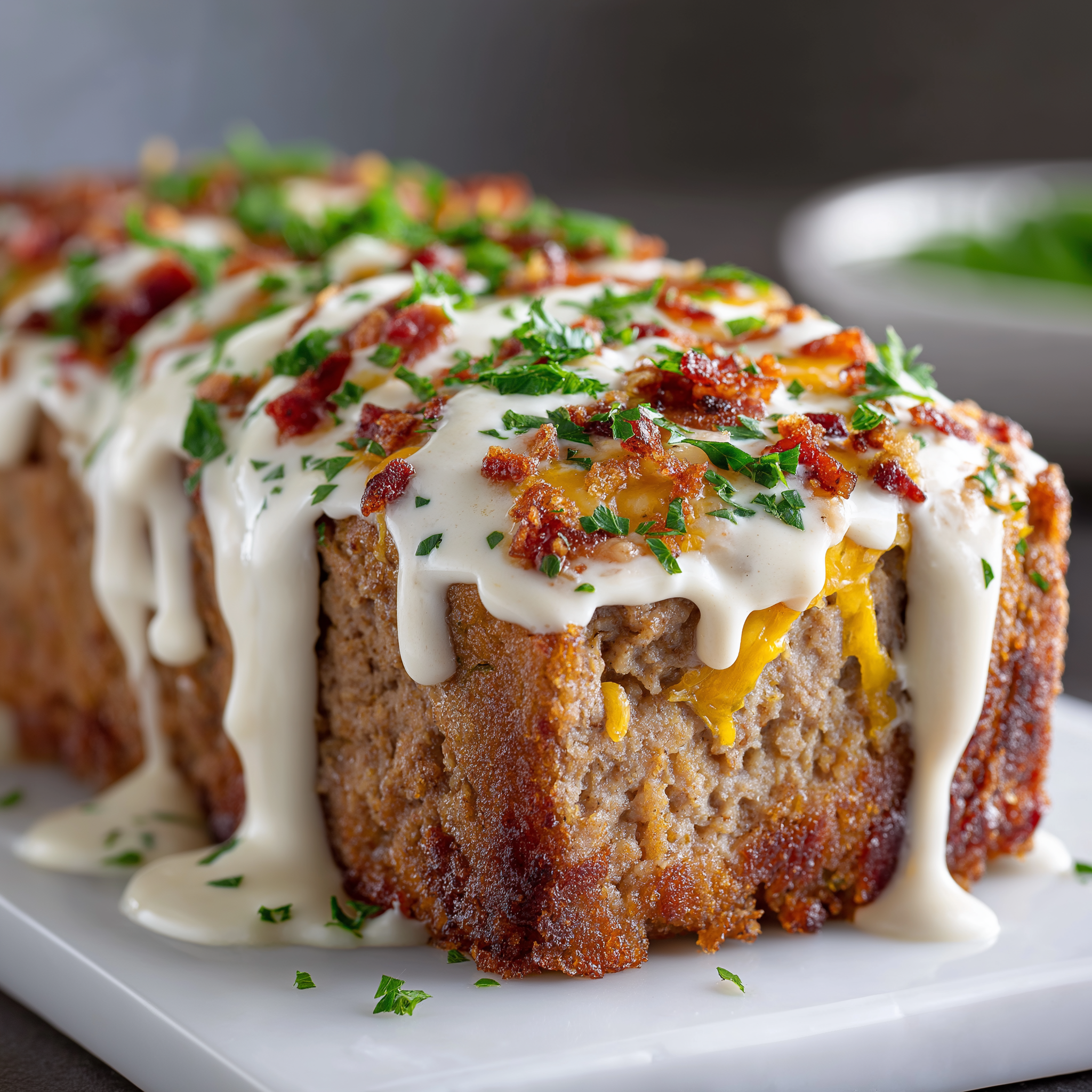
Classic Meatloaf Made Easy: 3 Recipes to Try in 2025
Why does meatloaf—a dish made from ground meat and basic pantry staples—intimidate so many home cooks when it’s actually one of the most forgiving recipes in existence? The truth is, mastering classic meatloaf recipes doesn’t require culinary school training or expensive ingredients. What it needs is understanding a few fundamental principles that separate dense, dry disappointments from moist, flavorful comfort food that rivals your grandmother’s secret recipe.
These three classic meatloaf recipes represent different approaches to the same beloved dish: a traditional version that honors time-tested techniques, a quick weeknight variation that cuts prep time by 40%, and a modern healthy twist that reduces calories without sacrificing satisfaction. Each classic meatloaf recipe delivers that nostalgic, homestyle appeal while offering flexibility for different schedules, dietary preferences, and skill levels. Whether you’re introducing meatloaf to a new generation or rediscovering this American staple yourself, these proven methods guarantee success every single time.
The beauty of meatloaf lies in its adaptability—it welcomes improvisation while rewarding attention to detail. From choosing the right meat blend to achieving that caramelized glaze, every element contributes to creating the ultimate comfort food experience that brings families together around the dinner table.
Ingredients List
Recipe 1: Traditional Classic Meatloaf
Main Components:
- 2 pounds ground beef (80/20 blend) – the fat ratio ensures juiciness and flavor
- 1 cup breadcrumbs (panko or traditional, fresh or dried)
- 1 medium onion, finely diced – provides sweetness and moisture
- 2 large eggs, lightly beaten – binds everything together perfectly
- ¾ cup whole milk – creates tender texture by preventing dense packing
- 3 cloves garlic, minced – adds aromatic depth
- 2 tablespoons Worcestershire sauce – brings umami complexity
- 2 tablespoons ketchup (plus extra for glaze)
- 1 teaspoon dried thyme
- 1 teaspoon dried oregano
- 1½ teaspoons salt
- ½ teaspoon black pepper
- 2 tablespoons fresh parsley, chopped
Glaze:
- ½ cup ketchup
- 2 tablespoons brown sugar
- 1 tablespoon apple cider vinegar
- 1 teaspoon Dijon mustard
Recipe 2: Quick Weeknight Meatloaf
Streamlined Ingredients:
- 1½ pounds ground beef (85/15) – leaner for faster cooking
- 1 packet (1 oz) onion soup mix – instant flavor without chopping
- 1 cup quick oats – absorbs moisture faster than breadcrumbs
- 2 eggs
- ½ cup milk
- 3 tablespoons ketchup
- 1 teaspoon garlic powder
- ½ teaspoon pepper
Quick Glaze:
- ¼ cup ketchup mixed with 1 tablespoon honey
Recipe 3: Healthy Modern Meatloaf
Nutritious Blend:
- 1 pound lean ground turkey (93/7)
- ½ pound ground chicken breast
- 1 cup rolled oats – whole grain nutrition
- ½ cup finely grated zucchini, moisture squeezed out – hidden vegetables
- ½ cup finely grated carrots
- 1 small onion, minced
- 2 egg whites
- ⅓ cup low-sodium chicken broth
- 2 tablespoons tomato paste
- 2 teaspoons Italian seasoning
- 1 teaspoon garlic powder
- 1 teaspoon smoked paprika
- 1 teaspoon salt
- ½ teaspoon black pepper
Lighter Glaze:
- 3 tablespoons tomato paste + 2 tablespoons balsamic vinegar + 1 teaspoon honey
Universal Substitutions: Replace breadcrumbs with crushed crackers, oats, or almond meal. Swap milk for unsweetened almond milk or beef broth. Use ground turkey, chicken, pork, or lamb instead of beef. For gluten-free versions, use certified gluten-free oats or breadcrumbs.
Timing
Recipe 1: Traditional Classic Meatloaf
- Prep Time: 15 minutes
- Cook Time: 60 minutes
- Rest Time: 10 minutes
- Total Time: 85 minutes
Recipe 2: Quick Weeknight Meatloaf
- Prep Time: 8 minutes
- Cook Time: 35-40 minutes
- Rest Time: 5 minutes
- Total Time: 50 minutes (approximately 40% faster than traditional)
Recipe 3: Healthy Modern Meatloaf
- Prep Time: 18 minutes (includes vegetable prep)
- Cook Time: 55 minutes
- Rest Time: 10 minutes
- Total Time: 83 minutes
Time-Saving Insight: The quick weeknight version achieves its efficiency through smaller loaf size, pre-mixed seasonings, and faster-absorbing binders. All recipes can be prepared ahead and refrigerated up to 24 hours before baking, making them perfect for meal planning strategies.
Step-by-Step Instructions
Recipe 1: Traditional Classic Meatloaf

Step 1: Prepare and Preheat
Preheat your oven to 350°F (175°C). Line a baking sheet with parchment paper or lightly grease a loaf pan. The baking sheet method allows fat to drain away and creates a better crust, while the loaf pan produces a more compact, traditional shape.
Pro Choice: Free-form loaves on baking sheets develop caramelized crusts on all sides, while pan-baked versions stay moister with softer edges.
Step 2: Create the Panade
Combine breadcrumbs and milk in a large bowl, stirring to create a paste-like mixture called a panade. Let this sit for 5 minutes to fully absorb. This crucial technique prevents dense, tough meatloaf by creating air pockets and tenderness throughout.
Science Matters: The panade keeps meat proteins from binding too tightly during cooking, resulting in melt-in-your-mouth texture rather than hockey-puck density.
Step 3: Sauté Aromatics (Optional but Recommended)
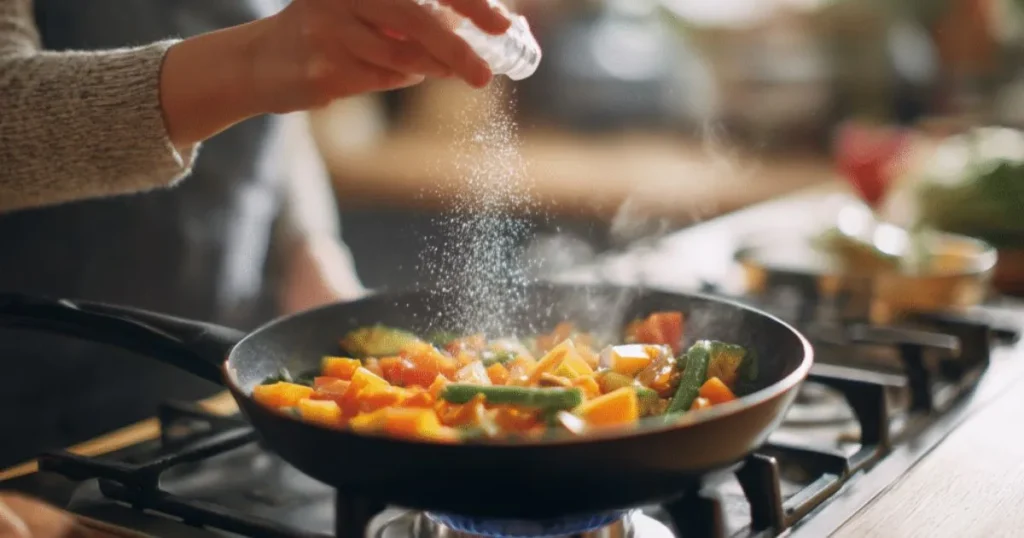
Heat a small pan over medium heat with a drizzle of oil. Sauté diced onions for 4-5 minutes until softened and translucent, then add garlic for the final minute. Cooking these aromatics intensifies their sweetness and prevents crunchy bits in the finished loaf. Allow it to cool a bit before incorporating it into the meat mixture.
Shortcut: Skip sautéing if pressed for time, but the flavor depth from caramelized onions elevates the final result significantly.
Step 4: Mix the Meatloaf Base
Add ground beef, eggs, Worcestershire sauce, ketchup, herbs, salt, pepper, parsley, and cooled onions to the panade. Using clean hands or a large fork, mix gently just until combined—about 30-45 seconds. Overmixing develops tough gluten strands and creates dense texture.
Mixing Wisdom: Stop when you no longer see dry ingredients. The mixture should look rough and shaggy, not smooth and homogeneous.
Step 5: Shape and Transfer
Shape the mixture into an 8×4-inch loaf on your prepared baking sheet or pack gently into a loaf pan. Don’t compress too firmly—gentle handling maintains those crucial air pockets. Create a slight dome shape rather than flat top for even cooking.
Step 6: Apply Initial Glaze
Whisk together glaze ingredients and brush half the mixture over the top and sides of the meatloaf. This creates a flavorful seal that caramelizes beautifully during baking.
Step 7: Bake to Perfection
Bake for 45 minutes, then brush with remaining glaze. Continue baking for 15 more minutes until internal temperature reaches 160°F (71°C). The glaze will be thick, glossy, and slightly caramelized.
Temperature Check: Always use a meat thermometer inserted into the center. Visual cues can mislead, but 160°F guarantees food safety and optimal texture.
Step 8: Rest and Slice
Take out of the oven and allow to rest for 10 minutes before slicing. This resting period allows juices to redistribute throughout the loaf rather than running out when cut, ensuring every slice stays moist and flavorful.
Recipe 2: Quick Weeknight Meatloaf
Step 1: Quick Prep
Preheat oven to 375°F (190°C)—the higher temperature speeds cooking for the smaller loaf. Cover a baking sheet with foil to simplify cleanup.
Step 2: One-Bowl Mixing
In a large bowl, mix together all ingredients except the glaze. The onion soup mix eliminates chopping and adds concentrated flavor instantly. Mix just until combined—about 20 seconds.
Step 3: Shape Smaller
Form into a 6×4-inch loaf on the baking sheet. The smaller dimensions cook through faster while maintaining moisture.
Step 4: Glaze and Bake
Spread ketchup-honey glaze over the top. Bake for 35-40 minutes until internal temperature reaches 160°F. No mid-baking glaze application needed—the honey caramelizes beautifully in one shot.
Step 5: Quick Rest
Let rest 5 minutes, slice, and serve. Weeknight efficiency without weeknight compromises.
Recipe 3: Healthy Modern Meatloaf
Step 1: Prep Vegetables
Finely shred the zucchini and carrots using a box grater. Place grated zucchini in a clean kitchen towel and squeeze firmly to remove excess moisture—this prevents soggy meatloaf. Mince onions very finely for even distribution.
Veggie Victory: These hidden vegetables add nutrition, moisture, and natural sweetness that kids and adults alike won’t detect.
Step 2: Preheat and Prepare
Set oven to 350°F. Line a baking sheet with parchment or use a loaf pan sprayed with cooking spray.
Step 3: Combine Thoughtfully
Mix oats with chicken broth first, letting them soften for 2-3 minutes. Add all remaining ingredients and mix gently but thoroughly, ensuring vegetables are evenly distributed throughout.
Step 4: Shape and Top
Form into an 8×4-inch loaf. Mix the lighter glaze ingredients and brush over the top generously. The balsamic vinegar adds sophisticated tang that complements the leaner meat beautifully.
Step 5: Bake with Care
Bake for 45 minutes, brush with additional glaze if desired, then continue for 10 more minutes until internal temperature reaches 165°F (poultry requires slightly higher temperature than beef).
Step 6: Rest and Enjoy
Rest 10 minutes before slicing. The lean meat benefits from this resting period even more than traditional beef versions.
Nutritional Information
Recipe 1: Traditional Classic Meatloaf
Per Slice (1/8 of loaf):
- Calories: 320
- Protein: 24g
- Carbohydrates: 14g
- Dietary Fiber: 1g
- Sugars: 6g
- Total Fat: 18g
- Saturated Fat: 7g
- Cholesterol: 115mg
- Sodium: 620mg
- Iron: 15% daily value
Recipe 2: Quick Weeknight Meatloaf
Per Slice (1/6 of loaf):
- Calories: 285
- Protein: 22g
- Carbohydrates: 12g
- Total Fat: 16g
- Saturated Fat: 6g
- Cholesterol: 105mg
- Sodium: 580mg
Recipe 3: Healthy Modern Meatloaf
Per Slice (1/8 of loaf):
- Calories: 185
- Protein: 21g
- Carbohydrates: 11g
- Dietary Fiber: 2g
- Total Fat: 6g
- Saturated Fat: 1.5g
- Cholesterol: 65mg
- Sodium: 380mg
- Vitamin A: 35% daily value (from carrots)
- Vitamin C: 8% daily value
Nutritional Comparison: The healthy version reduces calories by 42% and fat by 67% compared to traditional, while maintaining high protein content. All versions provide substantial protein for satiety and muscle maintenance.
Healthier Alternatives for the Recipe
Transform any classic meatloaf recipe into a more nutritious option with these smart modifications:
Meat Blend Innovations:
- Turkey-beef combo: Mix half ground turkey with half beef for 30% less fat while maintaining beefy flavor
- Triple-ground approach: Combine beef, pork, and veal (classic meatball blend) for complex flavor with moderate fat
- Plant-forward: Replace 25-30% of meat with finely chopped mushrooms, lentils, or black beans for fiber and nutrients
- Bison or venison: Lean game meats provide protein with minimal saturated fat
Binder Alternatives:
- Rolled oats: Whole grain nutrition plus excellent moisture retention
- Quinoa (cooked): Complete protein with all essential amino acids
- Almond meal: Low-carb, gluten-free option with healthy fats
- Cauliflower rice: Reduces carbs significantly while adding vegetables
Moisture Enhancement Without Fat:
- Grated vegetables: Zucchini, carrots, bell peppers add moisture and nutrition invisibly
- Low-sodium broth: Replace milk with chicken or beef broth for flavor without dairy
- Unsweetened applesauce: One-quarter cup adds moisture and subtle sweetness with minimal calories
- Greek yogurt: Provides protein and moisture with probiotic benefits
Glaze Makeovers:
- Sugar-free ketchup + honey: Reduces added sugars by 50%
- Tomato paste + balsamic: Sophisticated flavor with lower sugar
- BBQ sauce (sugar-free): Bold flavor without blood sugar spike
- Harissa paste + honey: Spicy, complex, and lower in overall sugars
Smart Additions:
- Spinach or kale (finely chopped): Vitamins A, C, K boost
- Chia seeds or ground flaxseed: Omega-3 fatty acids and fiber
- Nutritional yeast: Adds umami with B-vitamins
- Fresh herbs: Parsley, cilantro, basil add antioxidants without calories
These modifications can reduce overall calories by 35-45% while increasing fiber, vitamins, and minerals, making meatloaf suitable for health-conscious eating without tasting like “diet food.”
Serving Suggestions
Classic meatloaf shines as a versatile centerpiece that pairs beautifully with countless sides:
Traditional Pairings:
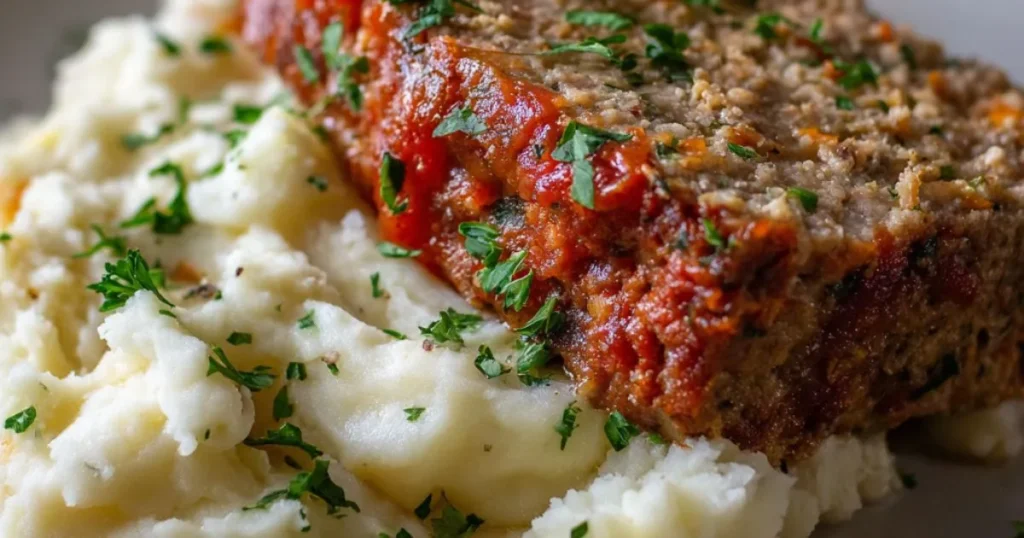
- Mashed potatoes: Creamy, buttery potatoes are the quintessential meatloaf companion—pile them high and create a gravy pool
- Green beans: Simple steamed or roasted green beans provide fresh contrast to rich meat
- Glazed carrots: Sweet, tender carrots echo the caramelized glaze flavors
- Mac and cheese: For ultimate comfort food indulgence, serve both together
- Cornbread: Southern-style cornbread with honey butter complements perfectly
Contemporary Sides:
- Roasted Brussels sprouts: Crispy, caramelized sprouts add sophisticated texture
- Cauliflower mash: Lower-carb alternative to potatoes with similar comfort appeal
- Quinoa pilaf: Nutty, fluffy quinoa lightens the plate
- Kale salad: Fresh, lemony greens cut through richness beautifully
- Sweet potato fries: Sweet-savory combination that kids and adults love
Sandwich Transformation: Leftover meatloaf makes exceptional sandwiches. Try these combinations:
- Classic: White bread, ketchup, pickles, thin meatloaf slice
- Gourmet: Ciabatta, arugula, caramelized onions, horseradish mayo
- Breakfast: Toasted English muffin, meatloaf, fried egg, cheese
Complete Meal Ideas:
- Sunday Dinner: Meatloaf, mashed potatoes, gravy, roasted vegetables, dinner rolls
- Weeknight Plate: Meatloaf slice, microwave-steamed broccoli, instant rice
- Meal Prep: Slice meatloaf, portion with roasted vegetables and quinoa for five ready-to-reheat lunches
Presentation Tips:
- Slice thick (1-inch) for main course, thin (½-inch) for sandwiches
- Drizzle pan juices or extra glaze over plated slices
- Garnish with fresh parsley for color pop
- Serve family-style on a wooden cutting board for rustic appeal
Common Mistakes to Avoid
Even straightforward meatloaf can go wrong. Sidestep these frequent errors for consistently perfect results:
Mistake #1: Overmixing the Meat: Excessive mixing causes the breadcrumbs or flour to activate gluten and compress the proteins, resulting in a firm, rubbery meatloaf instead of a tender one. Mix only until ingredients just combine—30-45 seconds maximum. The mixture should look somewhat rough and shaggy.
Mistake #2: Using Too-Lean Ground Meat: Very lean beef (90/10 or higher) often results in a dry, crumbly meatloaf because it lacks the fat needed for moisture and flavor.The ideal ratio is 80/20 or 85/15—enough fat for juiciness without excessive grease. If health is a concern, use the healthy recipe with turkey instead of ultra-lean beef.
Mistake #3: Skipping the Panade Mixing meat directly with dry breadcrumbs creates tough texture. Always hydrate breadcrumbs with milk first, creating a panade that tenderizes the final product dramatically. This single technique separates amateur from professional-quality meatloaf.
Mistake #4: Packing Too Tightly Compressing the mixture into the pan eliminates air pockets, resulting in dense, heavy texture. Handle gently and pack loosely—the loaf should hold together but not feel like a brick.
Mistake #5: Incorrect Oven Temperature Too high (400°F+) creates crusty exterior with undercooked center. Too low (below 325°F) extends cooking time and dries out the meat. The sweet spot is 350°F for most recipes, with 375°F acceptable for quick, smaller loaves.
Mistake #6: Not Using a Thermometer Visual assessment fails frequently—pink centers don’t always mean undercooked, and brown doesn’t guarantee doneness. Always verify with a meat thermometer: 160°F for beef/pork, 165°F for poultry. This single tool prevents both undercooking and overcooking.
Mistake #7: Cutting Too Soon If you slice the meatloaf right after baking, the juices spill out onto the cutting board instead of being absorbed back into the meat. The 10-minute rest is mandatory—juices redistribute and the texture firms up, allowing clean, beautiful slices.
Mistake #8: Forgetting Proper Seasoning Even with premium ingredients, a meatloaf will taste flat if the seasoning isn’t balanced. Always season boldly—the large volume of meat requires more salt and spices than you’d initially think. Taste the raw mixture (cook a small patty if concerned) and adjust before shaping.
Storing Tips for the Recipe
Proper storage techniques maximize your meatloaf’s quality and extend its enjoyment:
Refrigerator Storage:
- Cool meatloaf completely at room temperature for 30-45 minutes maximum (don’t exceed 2 hours for food safety)
- Wrap tightly in plastic wrap or aluminum foil, or transfer slices to airtight containers
- Store refrigerated for 3-4 days maximum
- Keep glaze separate if possible to prevent sogginess during storage
Freezer Storage:
- Cooked meatloaf: Cool completely, wrap tightly in plastic wrap, then aluminum foil. Label with date. Freeze up to 3 months.
- Uncooked meatloaf: Shape in pan, wrap well, freeze up to 2 months. Bake directly from frozen, allowing an extra 20–25 minutes for it to cook through.
- Individual slices: Wrap separately for easy single-serving reheating
- Pro tip: Freeze slices with parchment paper between them for easy separation
Reheating Methods:
- Oven (best for quality): Wrap slices in foil, add 1-2 tablespoons broth or water, heat at 325°F for 20-25 minutes
- Microwave (fastest): Place slice on microwave-safe plate, cover with damp paper towel, heat 1.5-2 minutes on medium power
- Skillet (best for crispy edges): Heat slice in lightly oiled skillet over medium heat, 3-4 minutes per side
- Air fryer (crispy exterior): Heat at 350°F for 5-7 minutes, checking frequently
Prep-Ahead Strategies:
- Mix meatloaf completely, shape, and refrigerate up to 24 hours before baking
- Prepare glaze up to 3 days ahead; store refrigerated in sealed jar
- Cook onions and garlic up to 2 days ahead; refrigerate until needed
- Double the recipe and freeze one loaf unbaked for emergency dinners
Leftover Innovation:
- Meatloaf hash: Crumble and pan-fry with potatoes and onions for breakfast
- Meatloaf pasta sauce: Crumble into tomato sauce for instant Bolognese
- Meatloaf tacos: Crumble and season with taco spices for quick filling
- Shepherd’s pie: Use crumbled meatloaf as the base, top with mashed potatoes, bake until golden
Quality Maintenance:
- Add a light brush of ketchup or glaze before reheating to refresh flavor
- Sprinkle water or broth on slices before microwave reheating to prevent drying
- Store with parchment paper between slices to prevent sticking
- Never refreeze previously frozen and thawed meatloaf—texture degrades significantly
Conclusion
These three classic meatloaf recipes prove that comfort food can be flexible, efficient, and adaptable to any lifestyle. Whether you choose traditional richness, weeknight convenience, or modern health-consciousness, each version delivers satisfying, home-cooked warmth that brings people together. With proper techniques—gentle mixing, adequate seasoning, correct temperature, and patient resting—perfect meatloaf becomes reliably achievable for any home cook, regardless of experience level.
Ready to bring classic comfort to your table? Choose the recipe that fits your schedule and preferences, then create your own delicious memories tonight. After enjoying your perfectly moist, flavorful meatloaf, share your experience in the review section—we love hearing which version becomes your family favorite! Leave a comment with your personal twists and variations, and subscribe to receive more timeless recipes with modern convenience delivered to your inbox weekly.
FAQs
Q: Can I make meatloaf without eggs? A: Absolutely! Replace each egg with one of these binders: 3 tablespoons mayonnaise, ¼ cup unsweetened applesauce, 3 tablespoons ground flaxseed mixed with 3 tablespoons water (let sit 5 minutes), or 3 tablespoons tomato paste. The texture may change a bit, but the flavor will remain great.
Q: What causes my meatloaf to break apart when I slice it? A: Common causes include insufficient binder (eggs/panade), not letting it rest after baking, or using too-lean meat. Ensure you’re using adequate eggs and breadcrumbs, always rest 10 minutes before slicing, and choose meat with 15-20% fat content for structure.
Q: Is it possible to make meatloaf in a slow cooker? A: Yes! Shape the loaf, place on a foil sling for easy removal, and cook on low for 5-6 hours or high for 3-4 hours until internal temperature reaches 160°F. The texture will be more tender and less crusty than oven-baked versions.
Q: How do I prevent my meatloaf from being greasy? A: Use 85/15 ground beef instead of 80/20, bake free-form on a baking sheet (not in a loaf pan) so fat can drain away, or place the loaf on a wire rack set inside a baking sheet. Pat the top with paper towels during the last 15 minutes of baking if needed.
Q: What’s the best way to add vegetables without making it soggy? A: Finely dice or grate vegetables, then sauté them first to evaporate moisture. For watery vegetables like zucchini, squeeze excess liquid out in a kitchen towel before adding. Keep vegetable additions to no more than 1 cup per 2 pounds of meat.
Q: Is it okay to prepare smaller individual meatloaves instead of a full-sized loaf? A: Definitely! Divide the mixture into muffin tins or shape into individual loaves on a baking sheet. Reduce cooking time to 25-30 minutes at 350°F. Mini portions are perfect for meal prep, portion control, and kid-friendly servings.
Q: Why is my meatloaf dry even though I followed the recipe? A: Likely causes include overbaking (use a thermometer—don’t rely on time alone), overmixing (develops tough texture), using too-lean meat, or insufficient moisture ingredients. Adding grated vegetables or an extra tablespoon of ketchup can help.
Q: What’s the difference between meatloaf and meatballs? A: While ingredients are similar, meatloaf uses a higher ratio of breadcrumbs/binders and is shaped into a loaf then sliced, creating a completely different texture. Meatballs have less filler, are individually shaped and cooked, resulting in firmer texture with more surface browning.
Q: Can I use fresh breadcrumbs instead of dried? A: Yes, though you’ll need about 50% more volume since fresh breadcrumbs are less dense. Fresh breadcrumbs create slightly more tender texture. You can also pulse stale bread in a food processor to make your own dried breadcrumbs.Q: How can I tell my meatloaf is fully cooked if I don’t have a thermometer? A: While a thermometer is always best, visual cues include: the loaf has pulled slightly away from the pan edges, juices run clear when pierced (not pink), the center feels firm when pressed, and the glaze is caramelized and set. However, investing in an instant-read thermometer ($15-25) eliminates all guesswork.