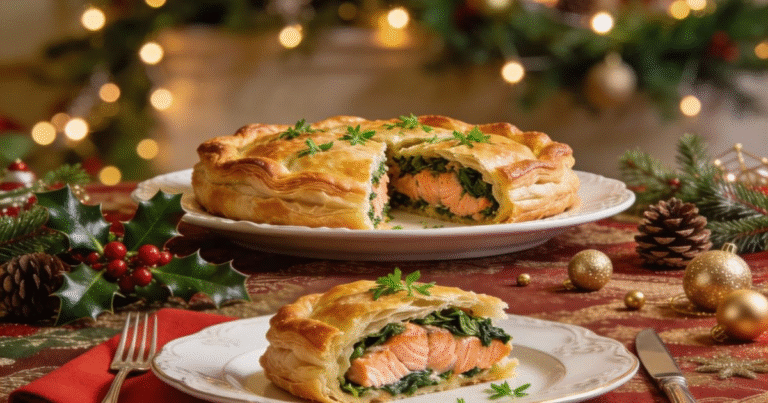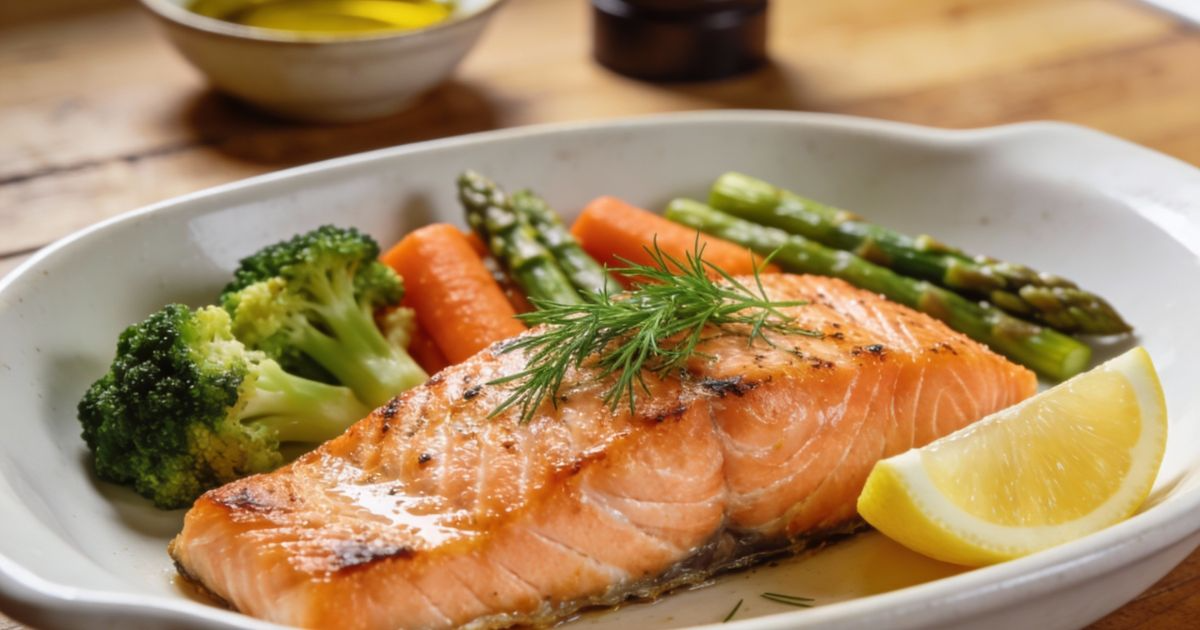
How to Cook Faroe Island Salmon – Quick & Healthy Recipe
Faroe Island salmon brings exceptional quality and rich flavor to your dinner table with minimal effort. This premium fish comes from the cold, pristine waters of the North Atlantic, giving it a buttery texture and vibrant color. You can prepare this healthy Faroe Island salmon with garlic and herbs in just 20 minutes for a weeknight dinner that feels gourmet. Whether you bake, grill, or pan-sear it, this easy Faroe Island salmon recipe delivers restaurant-quality results every time.
Why You’ll Love This Recipe
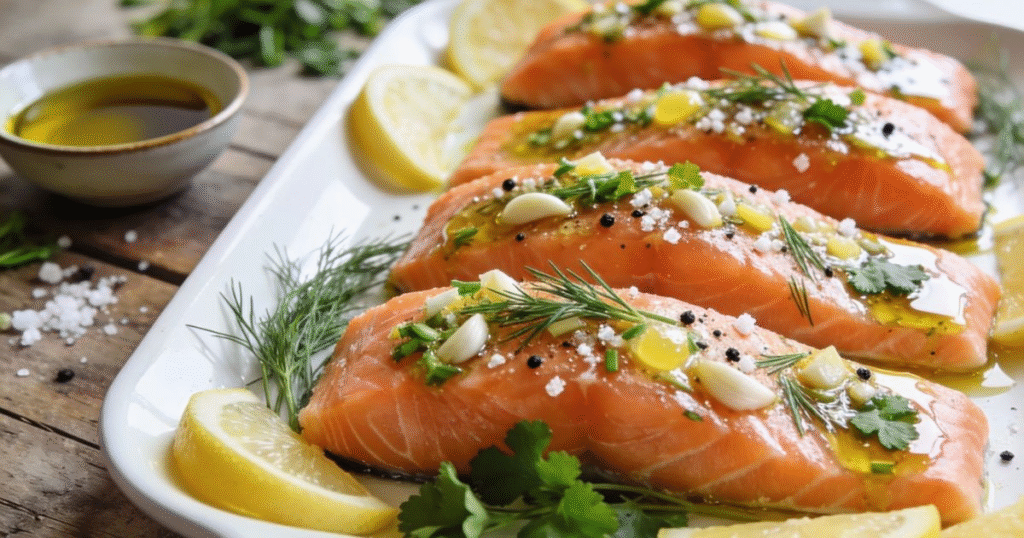
This quick Faroe Island salmon meal requires only a handful of fresh ingredients. The fish cooks in under 15 minutes, making it perfect for busy weeknights when you need something nutritious and fast.
The garlic and herb seasoning enhances the natural flavor without overpowering it. You get a complete protein-packed dinner that pairs beautifully with simple sides.
This authentic Faroe Island salmon recipe works for both casual family meals and special occasions. The omega-3 rich fish supports heart health while tasting absolutely delicious.
Ingredients

For the Salmon
- 4 Faroe Island salmon fillets (6 ounces each)
- 3 tablespoons olive oil
- 4 garlic cloves, minced
- 2 tablespoons fresh lemon juice
- 1 tablespoon fresh dill, chopped
- 1 tablespoon fresh parsley, chopped
- 1 teaspoon sea salt
- ½ teaspoon black pepper
- Lemon wedges for serving
Optional Garnish
- Fresh herbs
- Lemon slices
- Capers
How to Make This Recipe
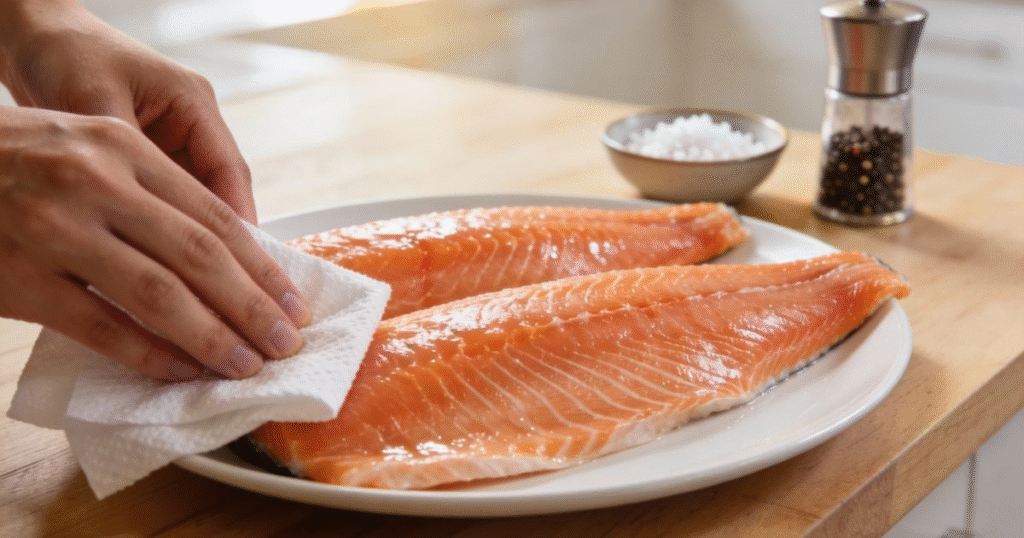
Step 1: Prepare the Salmon
Remove the salmon fillets from the refrigerator 15 minutes before cooking. Let them sit at room temperature for even cooking throughout.
Pat the fillets completely dry with paper towels. This step ensures you get a beautiful golden crust when cooking.
Step 2: Make the Herb Mixture
Combine olive oil, minced garlic, lemon juice, dill, and parsley in a small bowl. Whisk everything together until the ingredients blend smoothly.
Add salt and pepper to the mixture. Taste and adjust the seasonings to match your preferences.
Step 3: Season the Fillets
Brush the herb mixture generously over both sides of each fillet. Make sure you coat the salmon evenly for maximum flavor.
Let the seasoned fillets rest for 5 minutes while you preheat your cooking surface. This helps the seasonings soak into the fish.
Step 4: Cook the Salmon (Pan-Seared Method)
Heat a large skillet over medium-high heat. Add a thin layer of olive oil and let it shimmer.
Lay the fillets in the hot pan with the skin facing down. Press them gently with a spatula to ensure the skin makes full contact with the surface.
Cook for 4-5 minutes without moving the fillets. The skin will crisp up and turn golden brown during this time.
Step 5: Flip and Finish
Carefully flip each fillet using a thin spatula. Cook the other side for 3-4 minutes until the salmon reaches your desired doneness.
The fish is done when it flakes easily with a fork and reaches an internal temperature of 145°F.
Step 6: Rest and Serve
Transfer the cooked fillets to a serving plate. Let them rest for 2-3 minutes before serving.
Drizzle fresh lemon juice over the fish and top with additional herbs. Serve immediately while the salmon stays hot and flaky.
Cooking Method Variations
Faroe Island Baked Salmon
Heat the oven to 400°F and line a baking sheet with parchment. Place seasoned fillets on the prepared sheet with space between each one.
Bake for 12-15 minutes depending on thickness. The salmon will turn opaque and flake easily when done.
This method requires zero flipping and minimal cleanup. You can add vegetables to the same pan for a complete one-pan meal.
Faroe Island Grilled Salmon
Heat your grill to medium-high and brush the grates with oil.Place the seasoned fillets skin-side down directly on the grates.
Grill for 5-6 minutes per side, flipping once carefully. The skin will help hold the fillets together during grilling.
Grilling adds smoky flavor that complements the rich fish beautifully. Keep the lid closed to maintain consistent temperature and prevent flare-ups.
Faroe Island Poached Salmon
Fill a large skillet with water, white wine, and lemon slices. Heat the liquid over medium heat until it begins to gently simmer.
Lower the seasoned fillets into the simmering liquid. Poach for 8-10 minutes until the salmon turns opaque throughout.
This gentle cooking method produces incredibly tender, moist fish. Poaching works especially well when you plan to serve the salmon cold or in salads.
Air Fryer Method
Preheat your air fryer to 390°F for 3 minutes. Place seasoned fillets in the basket with the skin side down.
Cook for 7-9 minutes without flipping.The circulating heat ensures the salmon cooks evenly on all sides.
This method delivers crispy edges with minimal oil. The compact cooking space heats quickly and saves energy compared to heating a full oven.
Storage and Reheating
Storing Cooked Salmon
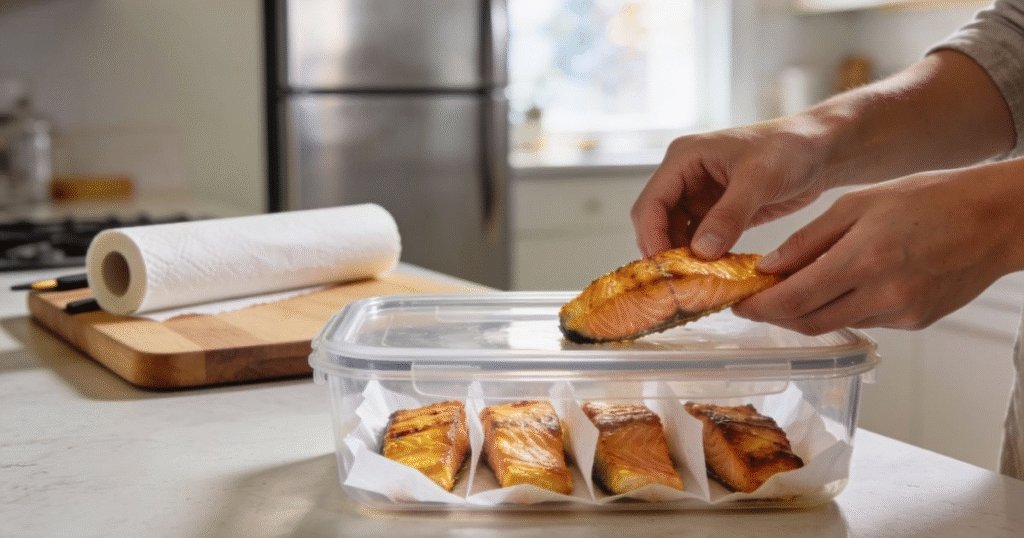
Once cooled, place the salmon in an airtight container within 2 hours and refrigerate for up to 3 days.
Separate fillets with parchment paper to prevent them from sticking together. This makes it easier to grab individual portions when needed.
Freezing Instructions
Wrap each cooked fillet tightly in plastic wrap, then place in a freezer bag.Press out excess air before sealing the container.
For optimal quality, freeze for up to 2 months. Label containers with the date so you track freshness easily.
Reheating Tips
Reheat salmon gently in a 275°F oven for 10-12 minutes. Cover the fillets with foil to prevent them from drying out.
Microwave individual portions for 30-45 seconds on medium power. Add a splash of water or broth to maintain moisture.
Avoid reheating salmon at high temperatures. High heat makes the fish tough and dry instead of tender and flaky.
Tips, Tricks, and Serving Suggestions
Understanding Faroese Salmon Quality
The Faroe Islands maintain strict sustainable farming practices that produce exceptional salmon. The cold waters and strong currents create firm, flavorful fish with a deep color.
This premium salmon contains higher omega-3 fatty acids compared to many other varieties. You’ll notice the difference in both taste and texture when you cook it.
While some markets label it as Faroe Island wild salmon, most commercial varieties come from well-managed farms. These farms prioritize fish welfare and environmental sustainability.
Selecting the Best Fillets
Look for fillets with vibrant orange-pink color and firm texture. The fish is ready when its flesh springs back under gentle pressure.
Choose fillets that are free of brown spots and don’t have a strong fishy odor.Fresh salmon smells clean and slightly oceanic, never overpowering.
Check that the skin looks shiny and intact without tears. Skin-on fillets hold together better during cooking and develop delicious crispy texture.
Cooking Temperature Guidelines
Cook salmon to an internal temperature of 145°F for food safety.Insert an instant-read thermometer into the thickest section of the fish.
Many chefs prefer salmon cooked to 125-130°F for a more tender, slightly translucent center. This lower temperature keeps the fish incredibly moist.
Remove salmon from heat when it reaches 5 degrees below your target. The residual heat continues cooking the fish as it rests.
Perfecting the Crispy Skin
Dry the skin thoroughly before cooking. Any moisture creates steam that prevents crisping.
Start with the skin side down in a hot pan. Press the fillet firmly for the first 30 seconds to prevent curling.
Don’t move the salmon once you place it in the pan. Moving disrupts the crust formation and can tear the skin.
Herb and Seasoning Variations
Swap dill for fresh thyme, rosemary, or basil based on what you have available. Every herb adds its own distinctive flavor to the dish.
Add a teaspoon of Dijon mustard to the herb mixture for tangy depth. The mustard creates a flavorful crust when the salmon cooks.
Try smoked paprika or cumin for a different flavor profile. These warming spices pair surprisingly well with the rich fish.
Creating a Gourmet Faroe Island Salmon Presentation
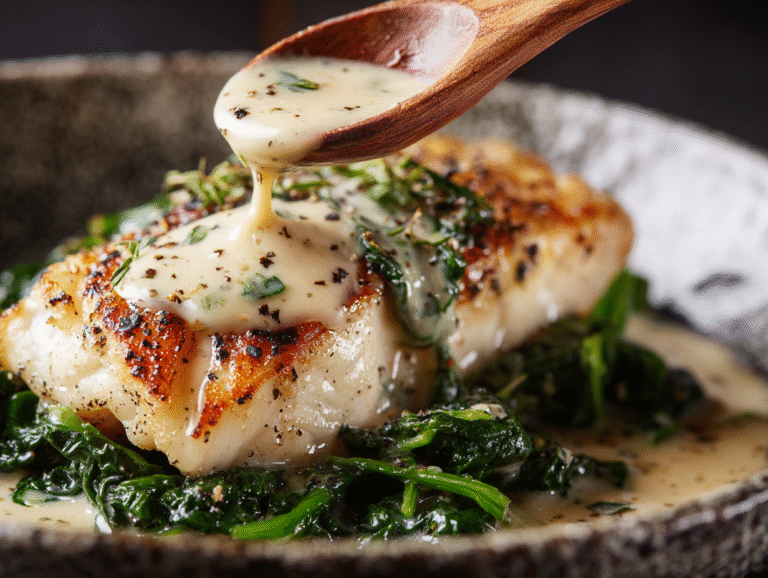
Plate the salmon over a bed of wilted spinach or arugula for an elegant presentation. The greens soak up the flavorful juices from the fish.
Drizzle a simple lemon butter sauce around the plate. Melt butter with lemon juice, capers, and a pinch of salt for an instant upgrade.
Garnish with microgreens, edible flowers, or thinly sliced radishes. These delicate touches transform a simple dinner into restaurant-quality fare.
Perfect Side Dish Pairings
Serve this Faroe Island salmon dinner with roasted asparagus, green beans, or broccolini. The vegetables balance the richness of the fish.
Creamy mashed potatoes or cauliflower mash make excellent companions. Their smooth texture contrasts beautifully with the flaky salmon.
Quinoa, rice pilaf, or couscous add substance without overwhelming the delicate fish flavor. Toss grains with fresh herbs and lemon zest for cohesion.
Wine and Beverage Pairings
White wines like Chardonnay, Sauvignon Blanc, or Pinot Grigio complement the buttery salmon perfectly. The acidity cuts through the richness.
Light red wines such as Pinot Noir also work beautifully. Choose wines with bright fruit notes rather than heavy tannins.
For a non-alcoholic drink, serve sparkling water with a slice of lemon or chilled green tea. Both cleanse your palate between bites.
Making It Work for Meal Prep
Cook extra salmon on Sunday for easy weeknight lunches throughout the week. Once cooked, the fish flakes perfectly for salads or grain bowls.
Pack portions with your favorite vegetables and whole grains. The salmon stays delicious cold or at room temperature.
Prepare the herb mixture in advance and store it in the refrigerator. You can season and cook fresh fillets in minutes when you arrive home hungry.
Troubleshooting Common Issues
If your salmon sticks to the pan, you didn’t use enough oil or the pan wasn’t hot enough. Let the pan heat properly before adding fish.
Overcooked salmon turns dry and chalky. Watch the timer carefully and remove the fish as soon as it flakes easily.
White albumin (protein) sometimes appears on the surface during cooking. Lower your cooking temperature slightly to minimize this harmless but unsightly occurrence.
Health Benefits and Nutrition
This healthy Faroe Island salmon provides complete protein, omega-3 fatty acids, vitamin D, and B vitamins. One serving delivers most of your daily omega-3 needs.
The garlic and herbs add antioxidants without extra calories. This nutrient-dense meal supports brain health, heart health, and reduces inflammation.
A 6-ounce portion contains approximately 350 calories, making it satisfying without being heavy. The high protein content keeps you full for hours.
FAQs
How do you know when Faroe Island salmon is fully cooked?
The salmon turns opaque and flakes easily when you press it with a fork. An instant-read thermometer should read 145°F in the thickest part for food safety.
Can you cook Faroe Island salmon from frozen?
Yes, but thaw it in the refrigerator overnight for best results. Cooking from frozen takes longer and produces uneven texture compared to thawed fillets.
What makes Faroe Island salmon different from other salmon?
The cold, clean waters of the North Atlantic and sustainable farming practices create firmer texture and richer flavor. The fish contains higher omega-3 levels than many other varieties.
Do you eat the skin on Faroe Island salmon?
Yes, the skin becomes deliciously crispy when cooked properly and contains healthy nutrients. You can remove it after cooking if you prefer.
Recipe Card
Prep Time: 10 minutes
Cook Time: 10 minutes
Total Time: 20 minutes
Servings: 4
Ingredients
- 4 Faroe Island salmon fillets (6 oz each)
- 3 tablespoons olive oil
- 4 garlic cloves, minced
- 2 tablespoons fresh lemon juice
- 1 tablespoon fresh dill, chopped
- 1 tablespoon fresh parsley, chopped
- 1 teaspoon sea salt
- ½ teaspoon black pepper
- Lemon wedges
Instructions
- Remove salmon from refrigerator 15 minutes before cooking
- Pat fillets dry with paper towels
- Mix olive oil, garlic, lemon juice, dill, parsley, salt, and pepper
- Brush herb mixture over both sides of fillets
- Heat skillet over medium-high heat with olive oil
- Place fillets skin-side down and cook 4-5 minutes
- Flip and cook 3-4 minutes until salmon flakes easily
- Rest 2-3 minutes before serving
- Garnish with lemon wedges and fresh herbs
Notes
Cook to 145°F internal temperature for food safety. Remove from heat 5 degrees early as residual heat continues cooking. Choose firm, vibrant fillets for best results.