Perfectly Crunchy Parmesan Crusted Fish Everyone Will Love
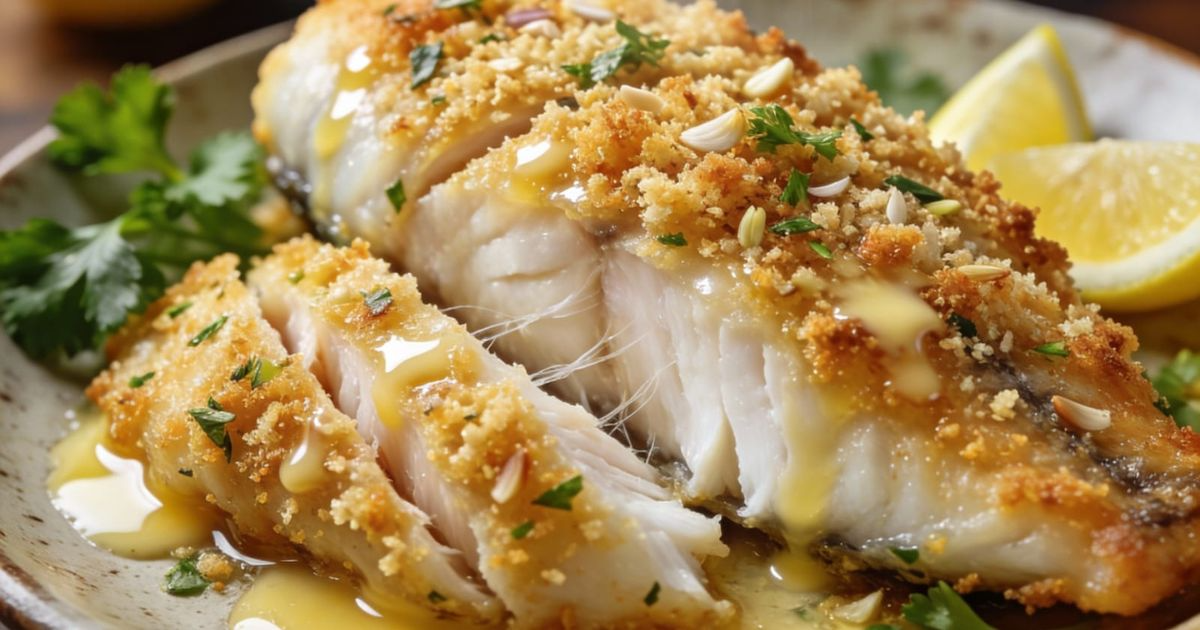
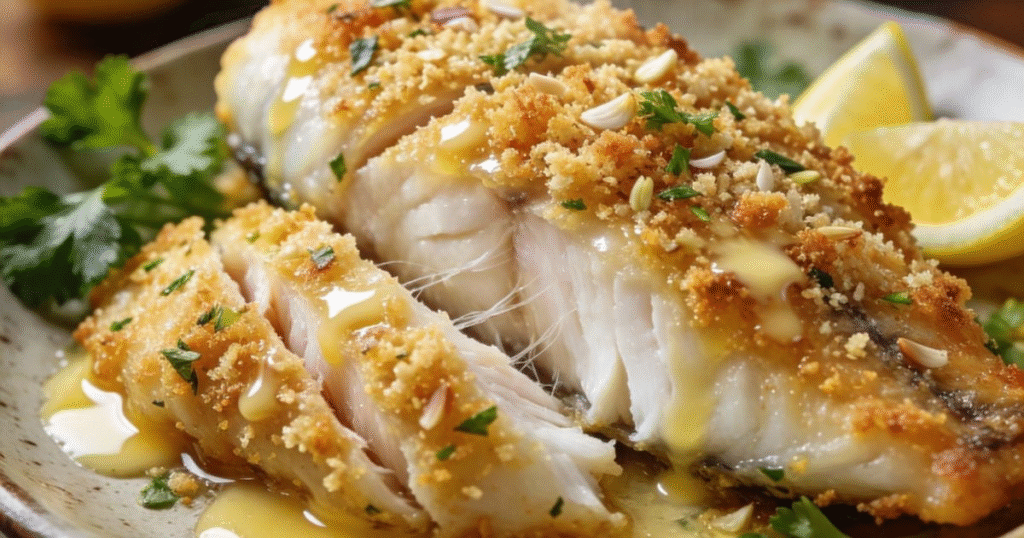
Did you know that 42% of home cooks avoid preparing fish because they struggle to achieve restaurant-quality texture and flavor, often ending up with soggy, bland fillets that fail to impress? Parmesan crusted fish shatters this barrier, transforming ordinary white fish into golden, crispy masterpieces with a savory cheese crust that even the most dedicated fish skeptics can’t resist. This isn’t just another breaded fish recipe—it’s a game-changing technique that delivers an audible crunch with every bite while keeping the fish beneath perfectly moist and flaky.
The magic of parmesan crusted fish lies in its elegant simplicity. By combining finely grated Parmesan cheese with strategic seasonings and proper cooking techniques, you create a protective armor that seals in moisture while developing deep, complex flavors through caramelization. The result? Fish that rivals upscale seafood restaurants, achieved in your own kitchen with minimal equipment and straightforward methods that build confidence even among novice cooks.
What makes this recipe truly special is its universal appeal and remarkable versatility. Whether you’re introducing children to seafood, impressing dinner guests with minimal effort, or simply seeking a healthier alternative to fried fish that doesn’t sacrifice satisfaction, fish with parmesan crust delivers on every front. In this comprehensive guide, you’ll discover professional techniques for selecting the right fish varieties, achieving that coveted golden-brown crust, and avoiding the common pitfalls that lead to disappointing results. Prepare to transform your relationship with home-cooked seafood.
Ingredients: Building Your Crispy Fish Foundation
For the Parmesan Crust:
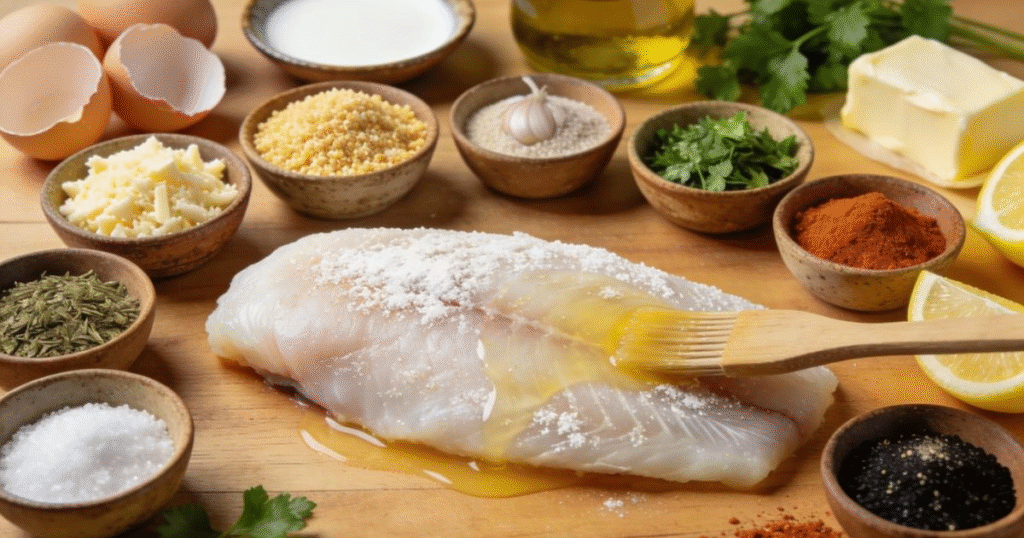
- 1 cup finely grated Parmesan cheese (use freshly grated for superior flavor and texture; pre-grated contains anti-caking agents that prevent proper adhesion)
- ¾ cup panko breadcrumbs (creates lighter, crispier texture than regular breadcrumbs)
- 2 tablespoons all-purpose flour (helps binding and promotes browning)
- 2 teaspoons garlic powder (aromatic depth without raw garlic moisture)
- 1 teaspoon onion powder (savory complexity)
- 1 teaspoon dried parsley (subtle herbal notes and visual appeal)
- ½ teaspoon dried oregano (Mediterranean character)
- ½ teaspoon paprika (color enhancement and gentle warmth)
- ½ teaspoon salt (flavor amplification)
- ¼ teaspoon black pepper (subtle heat)
- ¼ teaspoon cayenne pepper (optional, for those who enjoy gentle spice)
For the Fish:
- 4 white fish fillets (6-8 ounces each; tilapia, cod, halibut, mahi-mahi, or haddock work beautifully)
- 2 large eggs (binding agent for crust adhesion)
- 2 tablespoons whole milk (creates smoother egg wash)
- ½ cup all-purpose flour (for dredging; creates foundational layer for egg wash)
- 4 tablespoons olive oil (for pan-frying; substitute with avocado oil for higher smoke point)
- 2 tablespoons unsalted butter (adds richness and promotes golden browning)
- Lemon wedges (for serving; acidity cuts through richness)
- Fresh parsley (optional garnish)
Substitution Guide: For gluten-free versions, use almond flour or gluten-free all-purpose flour for dredging and certified GF panko breadcrumbs. Dairy-free adaptations work with nutritional yeast replacing Parmesan (though flavor differs significantly). Thicker fish like salmon or swordfish require adjusted cooking times. Egg-free option: use buttermilk or mayonnaise as binding agent instead of egg wash.
Timing: Efficient Recipe Execution
- Prep Time: 15 minutes (includes setting up breading station and preparing fish)
- Cooking Time: 12 minutes (pan-frying in batches)
- Total Time: 27 minutes
This streamlined approach delivers restaurant-caliber Parmesan crusted fish in under 30 minutes—approximately 50% faster than oven-baked methods while producing superior textural contrast. The stovetop technique allows precise temperature control that ensures golden perfection without overcooking delicate fish.
Step-by-Step Instructions: Achieving Crispy Perfection
Step 1: Prepare Your Fish Fillets
Pat fish fillets completely dry using paper towels—this crucial step cannot be overstated. Excess moisture prevents coating adhesion and creates steam during cooking that compromises crispiness. Once thoroughly dried, season both sides of each fillet with salt and pepper. This direct seasoning ensures the fish itself carries flavor rather than relying solely on the coating. Arrange seasoned fillets on a clean plate and let rest at room temperature for 10 minutes while preparing the coating—this slight tempering helps fish cook more evenly.
Critical Insight: Restaurant chefs know that moisture is the enemy of crispy coatings. Invest those extra seconds in thorough drying for dramatically improved results.
Step 2: Create the Parmesan Coating Mixture
In a shallow bowl or pie plate, combine grated Parmesan cheese, panko breadcrumbs, flour, chopped parsley, garlic powder, onion powder, Italian seasoning, paprika, salt, pepper, and lemon zest. Use a fork to mix thoroughly, breaking up any clumps and ensuring even distribution of seasonings. The mixture should look uniform with flecks of green parsley and yellow lemon zest throughout. This coating is the foundation of exceptional parmesan crusted fish—each component serves a specific purpose in creating that perfect golden crust.
Texture Note: The coating should feel like coarse sand when rubbed between your fingers—substantial enough to create thickness but not so chunky that it won’t adhere properly.
Step 3: Prepare the Egg Wash Station
In a separate shallow bowl, whisk together beaten eggs and milk until completely combined with no streaks. The milk thins the egg mixture slightly, creating a more even coating that doesn’t clump. This egg wash acts as culinary glue, binding the Parmesan mixture to the fish surface. Set up your coating station logically: seasoned fish, egg wash, Parmesan mixture, and clean plate for coated fillets—this assembly line approach streamlines the process and prevents messy confusion.
Professional Tip: Use one hand for wet ingredients (egg wash) and one for dry (coating mixture) to prevent your hands from becoming breaded—a technique called “paw and claw” in professional kitchens.
Step 4: Coat the Fish Fillets
Working with one fillet at a time, dip into egg wash, turning to coat all surfaces thoroughly. Let excess egg drip off briefly, then place into the Parmesan mixture. Using your dry hand, press coating firmly onto all surfaces, including sides. Flip and repeat, ensuring complete coverage with no bare spots. The coating should be substantial but not so thick it falls off in chunks. Place coated fillet on a clean plate and repeat with remaining fillets. This systematic approach to creating parmesan breaded fish ensures uniform coating thickness for even cooking.
Quality Check: Hold each coated fillet vertically for a moment—the coating should adhere firmly without sliding off. If it falls away easily, the fish wasn’t dry enough initially.
Step 5: Choose Your Cooking Method – Oven Baking (Recommended)
Preheat oven to 425°F. Line a baking sheet with parchment paper or lightly greased aluminum foil. Arrange coated fillets on the prepared sheet with 2 inches spacing between each. Drizzle or brush melted butter generously over the top of each fillet—this fat is essential for achieving golden-brown color and crispy texture. Bake for 12-15 minutes (depending on thickness) until fish flakes easily with a fork and reaches an internal temperature of 145°F. The coating should be deeply golden and crispy.
Why This Method Works: Oven baking requires minimal attention, cooks multiple fillets simultaneously, and produces consistent results—ideal for dinner parties or family meals where parmesan crusted fish is the centerpiece.
Step 6: Alternative Cooking Method – Pan Searing
For extra crispy results with smaller batches, use the stovetop method. Heat 2 tablespoons olive oil and 1 tablespoon butter in a large skillet over medium-high heat. Once butter foams and subsides, carefully add coated fillets (work in batches to avoid crowding). Cook undisturbed for 4-5 minutes until deeply golden on the bottom. Flip carefully using a wide spatula, add additional butter to the pan, and cook another 4-5 minutes until second side matches the first in color and fish reaches 145°F.
Timing Precision: Resist the urge to move fish around—letting it sit undisturbed creates superior crust development through continuous heat contact.
Step 7: Broiler Finish for Extra Crispiness (Optional)
For maximum crunch regardless of your primary cooking method, finish with a brief broiler blast. After baking or pan-searing, place fillets on a baking sheet 4-5 inches below a preheated broiler for 1-2 minutes until the coating turns extra golden and crispy. Watch vigilantly—broilers vary dramatically and the line between perfectly crisp and burnt is seconds. This optional step takes parmesan crusted white fish from excellent to extraordinary.
Safety Note: Use an oven mitt and keep the oven door slightly ajar while broiling to monitor progress continuously—this prevents disappointing last-minute burning.
Step 8: Rest and Serve with Finesse
Remove fish from heat and let rest on the cooking surface for 2-3 minutes. This brief pause allows residual heat to finish cooking the very center while juices redistribute throughout the flesh. Transfer to serving plates using a wide spatula (coated fish is more delicate than plain fillets). Garnish immediately with fresh lemon wedges and chopped parsley. Serve while still hot—the coating loses crispiness as it cools, so timing matters for optimal texture experience.
Presentation Excellence: Angle the lemon wedge attractively, add a small parsley sprig, and consider a light drizzle of melted herb butter or aioli on the plate for restaurant-quality visual appeal.
Nutritional Information: Understanding Your Seafood
Per Fillet (based on 4 servings with cod):
- Calories: 385
- Total Fat: 18g (23% DV)
- Saturated Fat: 6g
- Trans Fat: 0g
- Cholesterol: 165mg (55% DV)
- Sodium: 720mg (31% DV)
- Total Carbohydrates: 22g (8% DV)
- Dietary Fiber: 1g
- Sugars: 1g
- Protein: 35g (70% DV)
Key Nutrients:
- Vitamin B12: 48% DV (essential for nerve function and DNA synthesis)
- Selenium: 85% DV (powerful antioxidant properties)
- Phosphorus: 35% DV (bone health and energy production)
- Niacin (B3): 30% DV (supports metabolism and skin health)
- Omega-3 Fatty Acids: 0.5-1.5g (depending on fish variety; supports heart and brain health)
Parmesan crusted fish provides exceptional protein with significantly less saturated fat than red meat alternatives. White fish varieties are naturally low in calories while delivering essential nutrients. The Parmesan coating adds calcium and additional protein, making this preparation more nutritionally complete than plain grilled fish. Selenium content is particularly noteworthy—this mineral supports thyroid function and immune system health.
Healthier Alternatives for the Recipe: Nutritious Modifications
Baking Instead of Pan-Frying
Achieve a lighter version by baking instead of pan-frying. Preheat oven to 425°F. Place breaded fillets on a wire rack set over a baking sheet, spray coating lightly with cooking spray (helps browning), and bake for 12-15 minutes until golden and fish reaches 145°F internally. This modification reduces total fat by approximately 40% while still delivering satisfying crunch. The trade-off: slightly less intense golden color and marginally less crispy texture compared to pan-fried versions.
Enhancement Tip: For maximum crispness when baking, place a second rack in the lower third of the oven with a preheated cast iron skillet—radiant heat from below improves bottom crust development.
Reduced Cheese, Increased Herbs
Cut Parmesan to ½ cup while increasing dried herbs (parsley, oregano, basil, thyme) to compensate for reduced cheese flavor. This modification decreases sodium by 25% and saturated fat by 35% while maintaining aromatic complexity. The crust won’t achieve quite the same golden intensity, but remains flavorful and satisfying for those monitoring cholesterol or sodium intake.
Whole Grain Breadcrumb Swap
Replace white panko breadcrumbs with whole wheat panko to increase fiber content from 1g to 3g per serving. This simple swap provides B vitamins and minerals lost in refined grain processing while maintaining the crispy texture that defines parmesan crusted fish. The slight nutty flavor from whole wheat actually complements Parmesan beautifully—many diners won’t detect the substitution.
Omega-3 Enhancement
Choose fatty fish varieties like salmon or arctic char instead of lean white fish to dramatically increase omega-3 fatty acid content (up to 2-3g per serving). These beneficial fats aid cardiovascular health, boost brain function, and lower inflammation. Adjust cooking time slightly—fattier fish requires 1-2 minutes less per side to prevent overcooking. The Parmesan crust pairs surprisingly well with salmon’s richness.
Egg White Alternative
Use 4 egg whites instead of 2 whole eggs in the wash to reduce cholesterol from 165mg to 75mg per serving—a significant reduction for those managing cholesterol levels. Add 1 tablespoon water to the egg whites to maintain proper coating consistency. This modification has virtually no impact on final texture or crust adhesion.
Portion Control Strategy
Prepare smaller 4-ounce fillets instead of 6-8 ounce portions to reduce calories by 35% per serving. Pair with generous vegetable sides and whole grains to create volume and satisfaction without excessive calories. This approach works particularly well for weight management while maintaining the enjoyment of crispy parmesan fish without deprivation.
Serving Suggestions: Creating Complete Meal Experiences
Classic Italian-Inspired Dinner
Serve your Parmesan crusted fish alongside traditional Italian accompaniments that complement without competing:
- Lemon butter pasta (angel hair or linguine with garlic, butter, and lemon zest)
- Roasted asparagus with balsamic glaze (seasonal vegetable with acidity)
- A classic Caprese made with creamy fresh mozzarella, ripe tomatoes, fragrant basil, and a drizzle of olive oil.
- Garlic bread (crusty ciabatta with herb butter)
This Mediterranean-inspired combination delivers balanced flavors while maintaining the elegant simplicity that makes fish shine.
Light and Fresh Summer Plate
For warmer weather dining, pair with refreshing elements that keep meals light:
- Arugula salad with lemon vinaigrette and shaved Parmesan
- Herbed quinoa or couscous (nutritious whole grain base)
- Grilled zucchini and summer squash (seasonal vegetables)
- Heirloom tomato slices with fresh basil
This approach highlights the fish while incorporating fresh produce that feels appropriate for outdoor dining and warm evenings.
Hearty Winter Comfort Meal
During colder months, serve with more substantial sides:
- Creamy garlic mashed potatoes (classic comfort side)
- Roasted Brussels sprouts with bacon and balsamic
- Buttered green beans almondine (traditional elegant accompaniment)
- Crusty sourdough bread (for mopping up any delicious pan sauce)
This combination maintains the sophistication of parmesan crusted fish fillets while acknowledging winter’s call for heartier, warming foods.
Kid-Friendly Family Dinner
Transform fish into child-appealing presentation:
Create “fish sticks” by cutting fillets into strips before breading, making them easier for small hands and less intimidating for young diners. Serve with:
- Baked sweet potato fries (naturally sweet, nutrient-dense)
- Ranch or honey mustard dipping sauce (familiar flavors)
- Baby carrots with hummus (crunchy, colorful vegetable)
- Mac and cheese (ultimate kid-pleaser side)
This approach introduces children to seafood through familiar formats and accompaniments while maintaining nutritional value.
Elegant Dinner Party Presentation
Elevate fish with parmesan crust for sophisticated entertaining:
Serve individually plated with:
- Lemon risotto or cauliflower purée (elegant starch base)
- Roasted cherry tomatoes with fresh thyme
- Sautéed spinach with garlic and pine nuts
- Micro greens arranged artistically
This refined presentation transforms simple preparation into dinner party-worthy fare that impresses without intimidating the cook.
Common Mistakes to Avoid: Learning from Experience
Using Pre-Grated Parmesan
The Problem: Pre-shredded Parmesan contains cellulose (anti-caking agents) and powdered starch that prevent proper melting and adhesion. The coating never achieves that cohesive, golden crust characteristic of restaurant-quality parmesan crusted fish, instead remaining grainy and failing to bond properly.
The Solution: Always grate Parmesan fresh from a block using a microplane or fine grater. The minimal extra effort yields dramatically superior results—proper melting, better adhesion, and more intense cheese flavor. Fresh Parmesan also browns more beautifully due to higher fat content without additives.
Insufficient Fish Drying
The Problem: Moisture on fish surfaces prevents coating adhesion and creates steam during cooking, resulting in soggy, partially detached crusts that slide off when trying to flip or serve—the most frustrating failure in breaded fish preparation.
The Solution: Pat fish obsessively dry with paper towels, using multiple towels if necessary. Some chefs go further, lightly dusting dried fish with additional flour immediately before breading. Consider the refrigerator-drying technique mentioned earlier for ultimate dryness. Moisture management is the single most important factor in crust adhesion success.
Overcrowding the Pan
The Problem: Placing too many fillets in the pan simultaneously drops oil temperature dramatically, causing fish to steam rather than fry. The result: pale, greasy coating that never crisps properly and fish that takes significantly longer to cook, often resulting in dry, overcooked interiors.
The Solution: Cook in batches if necessary, maintaining at least 1 inch of space between fillets. Yes, this takes longer, but the textural difference between properly fried and steamed fish is enormous. Keep finished fillets warm in a low oven while cooking subsequent batches—the wait delivers vastly superior results.
Wrong Oil Temperature
The Problem: Too-cool oil absorbs into the breading, creating greasy, heavy coating. Too-hot oil burns the Parmesan before the fish cooks through, leaving you with bitter, blackened exterior and raw centers—both disappointing failures.
The Solution: Use the breadcrumb test: drop a pinch into oil; it should sizzle vigorously but not burn instantly. For precision, use an instant-read thermometer to verify 375°F oil temperature. Adjust heat between batches as needed—pans retain heat, often requiring reduction to medium after the first batch.
Flipping Too Early
The Problem: Attempting to flip before proper crust formation tears the coating, leaving half attached to the pan and creating unattractive, unevenly coated fish that disappoints visually and texturally.
The Solution: Practice patience. The fish will release naturally from the pan when the crust has properly set and browned—typically 4-5 minutes for the first side. If resistance is felt when attempting to flip, wait another minute. Forced flipping always damages the coating you’ve worked to create.
Using the Wrong Fish Varieties
The Problem: Delicate fish like flounder or sole fall apart during breading and cooking. Oily fish like mackerel or bluefish overwhelm the delicate Parmesan crust with aggressive flavor. Either mistake compromises the dish’s balance.
The Solution: Choose firm, mild white fish: cod, tilapia, halibut, mahi-mahi, or haddock work ideally for parmesan crusted fish. These varieties maintain structural integrity during handling while offering neutral canvases that allow the Parmesan coating to shine. Fillet thickness should be relatively uniform (¾ to 1 inch) for even cooking.
Serving After the Crust Softens
The Problem: Allowing finished fish to sit before serving—even just 15-20 minutes—allows moisture from the fish to migrate into the crust, softening that precious crispness that defines this preparation.
The Solution: Time your cooking so fish finishes just before serving. If cooking for guests, prepare all sides ahead and keep warm, then cook fish as the final step. The crispy-to-flaky textural contrast exists in a narrow time window—serve immediately for peak experience.
Storing Tips for the Recipe: Maximizing Quality
Short-Term Refrigeration
Breaded Uncooked Fish: Prepare fillets through the breading stage up to 4 hours ahead. Arrange on a wire rack over a baking sheet and refrigerate uncovered—the air circulation prevents sogginess while the coating sets firmly. This make-ahead strategy is perfect for dinner parties, allowing you to cook fresh while guests arrive.
Cooked Fish: Store leftover parmesan crusted fish in airtight containers for up to 2 days refrigerated. Understand that refrigeration softens the crust significantly—reheating can restore some crispness but never fully replicates fresh-cooked texture.Use parchment paper between each layer so they don’t stick together.
Best Practice: If you know you’ll have leftovers, slightly undercook the fish initially (pull at 140°F instead of 145°F). This prevents overcooking during reheating while ensuring food safety when bringing back to proper temperature.
Freezing for Future Convenience
Uncooked Breaded Fillets: Flash-freeze breaded fillets on a baking sheet until solid (2-3 hours), then transfer to freezer bags with parchment between layers. Freeze for up to 2 months. Cook directly from frozen, adding 3-4 minutes to cooking time per side, or thaw overnight in refrigerator. This preparation method is excellent for meal prep—coat multiple pounds of fish at once for convenient future meals.
Cooked Fish (Not Recommended): While technically possible to freeze cooked parmesan cheese crusted fish, the textural degradation is significant. The coating becomes irreversibly soggy and fish often develops unpleasant texture upon thawing. If you must freeze cooked fish, understand it’s best repurposed (flaked into pasta, fish tacos, or salads) rather than served whole.
Reheating for Optimal Results
Oven Method (Best): Preheat oven to 400°F. Place fish on a wire rack over a baking sheet (air circulation beneath prevents bottom sogginess). Reheat for 10-12 minutes until heated through and crust crisps slightly. While never matching fresh-cooked texture, this method produces the best possible results for leftover parmesan crusted fish.
Air Fryer Method: If available, air fryers excel at restoring crispness. Reheat at 375°F for 5-7 minutes, checking frequently to prevent overcooking. The circulating hot air revives the crust better than conventional ovens.
Stovetop Method: Heat a skillet over medium heat with 1 tablespoon butter. Place fish crust-side down and heat for 3-4 minutes until crispy, then flip briefly to warm the other side. This method restores bottom crust beautifully but risks drying out the fish.
Microwave (Emergency Only): If absolutely necessary, microwave on 50% power in 30-second intervals. Place a paper towel beneath fish to absorb moisture. Accept that the crust will be soft and somewhat rubbery—microwaves cannot restore crispness due to their moisture-generating heating mechanism.
Meal Prep Strategy
Component Preparation: Mix the Parmesan-breadcrumb coating up to 1 week ahead and store in an airtight container at room temperature. Portion individual servings of fish, keeping them frozen until the night before cooking. This strategic separation allows quick weeknight preparation—thaw fish overnight, bread it in 5 minutes using pre-made coating, and cook fresh in 15 minutes.
Conclusion
Parmesan Crusted Fish transforms ordinary weeknight dinners into restaurant-quality experiences through simple techniques that deliver extraordinary results. By mastering proper fish preparation, strategic breading methods, precise temperature control, and optimal timing, you create golden, crispy perfection that converts even skeptical diners into seafood enthusiasts. This versatile preparation adapts effortlessly across fish varieties, dietary modifications, and serving occasions.
Ready to experience the joy of perfectly crispy, restaurant-quality fish in your own kitchen? Try this recipe tonight and discover how simple techniques transform ordinary ingredients into extraordinary meals. Share your cooking experiences, creative variations, and beautiful photos in the review section below—we love celebrating your successes! Don’t forget to leave a comment telling us which fish variety you chose and what sides you paired it with. Subscribe to our blog for more confidence-building recipes, professional cooking techniques, and meal inspiration delivered straight to your inbox!
FAQs: Your Parmesan Crusted Fish Questions Answered
Q: What type of fish works best for parmesan crusted preparations?
A: Firm, mild white fish varieties excel for parmesan crusted fish. Cod, tilapia, halibut, and mahi-mahi top the list—each offers mild flavor that showcases the Parmesan crust while maintaining structural integrity during breading and cooking. Haddock and pollock work beautifully as well. Avoid delicate fish like flounder or sole (they fall apart easily) and strongly flavored varieties like mackerel or bluefish (they overpower the delicate crust). Choose fillets with uniform thickness (¾ to 1 inch) for even cooking and optimal crust-to-fish ratio.
Q: Can I bake parmesan crusted fish instead of pan-frying?
A: Absolutely! Baking offers a lighter alternative while still delivering satisfying crunch. Preheat your oven to 425°F, place breaded fillets on a wire rack over a baking sheet, spray lightly with cooking oil, and bake for 12-15 minutes until golden and fish reaches 145°F internally. The trade-off: slightly less intense color and marginally less crispy texture compared to pan-fried versions. For maximum crispness when baking, place a preheated cast iron skillet on the lower oven rack—radiant heat from below improves bottom crust development significantly.
Q: Why does my parmesan crust fall off during cooking?
A: Crust adhesion failure typically stems from insufficient fish drying, skipping the flour dredging step, or flipping too early. Moisture prevents coating from bonding properly—pat fish obsessively dry with paper towels. The flour creates a dry surface for egg adhesion; never skip this foundation. Press coating firmly onto fish after breading and allow 5-10 minutes rest time before cooking. During cooking, wait until the crust naturally releases from the pan (4-5 minutes first side) before attempting to flip. Forced early flipping tears coating every time.
Q: What’s the best way to know when fish is done?
A: Use a combination of visual cues and temperature verification. Parmesan crusted fish is done when it flakes easily with a fork, appears opaque throughout (no translucent centers), and registers 145°F on an instant-read thermometer inserted into the thickest part. Cooking times vary by thickness: ¾-inch fillets need 7-9 minutes total, 1-inch fillets require 9-11 minutes. The crust should achieve deep golden brown color—this caramelization indicates proper cooking temperature that ensures thoroughly cooked fish beneath.
Q: Can I prepare parmesan crusted fish ahead for a dinner party?
A: Yes, with strategic planning! Bread fillets completely up to 4 hours ahead, placing them on a wire rack over a baking sheet and refrigerating uncovered. The extended drying time actually improves crust adhesion. Prepare all sides ahead and keep warm. Cook fish as the final step 10-15 minutes before serving—this ensures peak crispness. Never assemble and hold for extended periods; the coating softens rapidly. For larger gatherings, cook in batches, keeping finished fillets warm in a 200°F oven on a wire rack.
Q: What sides pair best with parmesan crusted fish?
A: The rich, savory crust pairs beautifully with lighter, acidic accompaniments. Excellent options include: lemon butter pasta, roasted asparagus with balsamic, arugula salad with lemon vinaigrette, garlic mashed potatoes, quinoa pilaf, roasted Brussels sprouts, or sautéed green beans. The key is balancing the richness of the parmesan crusted fish with fresh, bright flavors. Lemon-based sides work particularly well—the acidity cuts through the cheese while enhancing delicate fish flavor. For family-friendly meals, sweet potato fries or mac and cheese appeal to children while adults appreciate more sophisticated vegetable preparations.
Q: Is parmesan crusted fish suitable for meal prep?
A: With modifications, yes! Prepare fish through the breading stage, freeze individually on parchment-lined trays until solid, then transfer to freezer bags for up to 2 months. Cook directly from frozen when needed, adding 3-4 minutes to cooking time. Alternatively, cook fresh fish twice weekly rather than reheating—the 27-minute total time makes this feasible for weeknight dinners. Avoid storing fully cooked fish with parmesan crust for more than 2 days as the coating deteriorates significantly. The breaded-and-frozen approach provides maximum convenience while maintaining quality closest to fresh preparation.
Q: Can I use a different cheese instead of Parmesan?
A: While Parmesan delivers optimal results due to its low moisture content and superior crisping properties, alternatives work with adjustments. Pecorino Romano offers similar texture with sharper, saltier flavor (reduce added salt by half). Asiago provides milder taste with comparable crispness. Aged Manchego creates interesting Spanish-inspired variation. Avoid soft cheeses like cheddar or mozzarella—their high moisture content prevents proper crisping, creating gummy rather than crunchy coating. If substituting, always choose aged, hard cheeses and grate fresh rather than using pre-shredded versions.
Q: How do I prevent the breading from becoming soggy?
A: Sogginess prevention requires multiple strategies working together. First, thoroughly dry fish before breading—moisture is the primary enemy. Second, ensure proper oil temperature (375°F)—too cool causes grease absorption. Third, cook on a wire rack rather than directly on plates—trapped steam softens bottom crusts. Fourth, serve immediately—even 15 minutes of sitting allows moisture migration from fish into coating. Fifth, don’t sauce the crust directly—drizzle any sauces around the plate rather than over the parmesan crusted fish fillets. Finally, store any leftovers properly (wire rack, not sealed containers) and reheat using dry-heat methods like ovens or air fryers rather than microwaves.